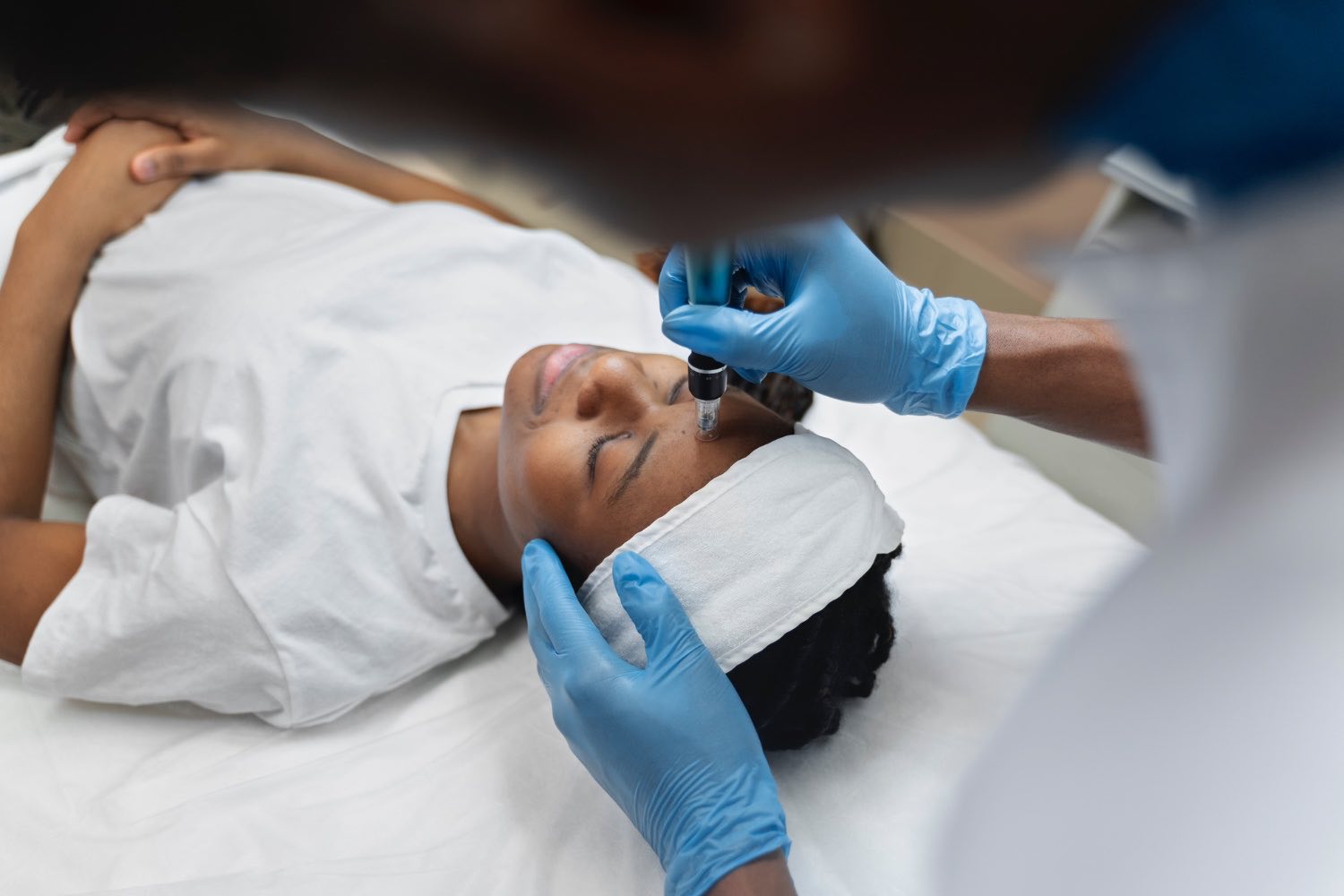
QUICK ANSWER Botox is a brand of botulinum toxin type A, a prescription medicine that temporarily reduces the activity of selected...

5 Things Most Ghanaians Get Wrong About Glaucoma: And Why It Costs Them Their Sight
Ghana has the highest glaucoma prevalence in Africa. Eight out of every hundred Ghanaians aged 30 and above have it. Nine out of every hundred aged 40 and above. Glaucoma accounts for over 19% of all blindness in the country; a condition that, unlike cataract, cannot be reversed. The damage it leaves behind is permanent.
Yet 90% of Ghanaians with glaucoma have no idea they have it. That is not an accident. It is the direct consequence of a set of deeply held, persistently repeated beliefs about glaucoma that are simply, demonstrably wrong — and whose consequences show up in the consulting rooms of specialist eye hospitals every week in patients who came far too late.
These are the five most dangerous ones. These are the exact misconceptions that Ghanaian ophthalmologists and researchers have documented as barriers to diagnosis and treatment, backed by clinical evidence from Ghana itself. Read them. Share them. The person in your family whose sight depends on this correction may not have found this article yet.
1. The Misconception: “If my eyesight were getting worse, I would notice.”
The Truth:
This is the most dangerous belief in all of eye care. And it is the precise reason glaucoma is called the silent thief of sight. Primary open-angle glaucoma, which accounts for over 80% of cases in the Ashanti Region and across Ghana, produces no pain, no redness, and no obvious visual disturbance in its early or middle stages.
The vision loss begins at the very edges of your peripheral field; the outer boundary of what you see without moving your eyes. It progresses inward so slowly, over months and years, that the brain compensates automatically.
By the time you consciously notice something is wrong — a narrowed visual tunnel, difficulty at night, trouble seeing to the side while driving — you have already lost vision that cannot be recovered. The optic nerve fibres that carry visual signals to the brain do not regenerate. What is gone is gone.
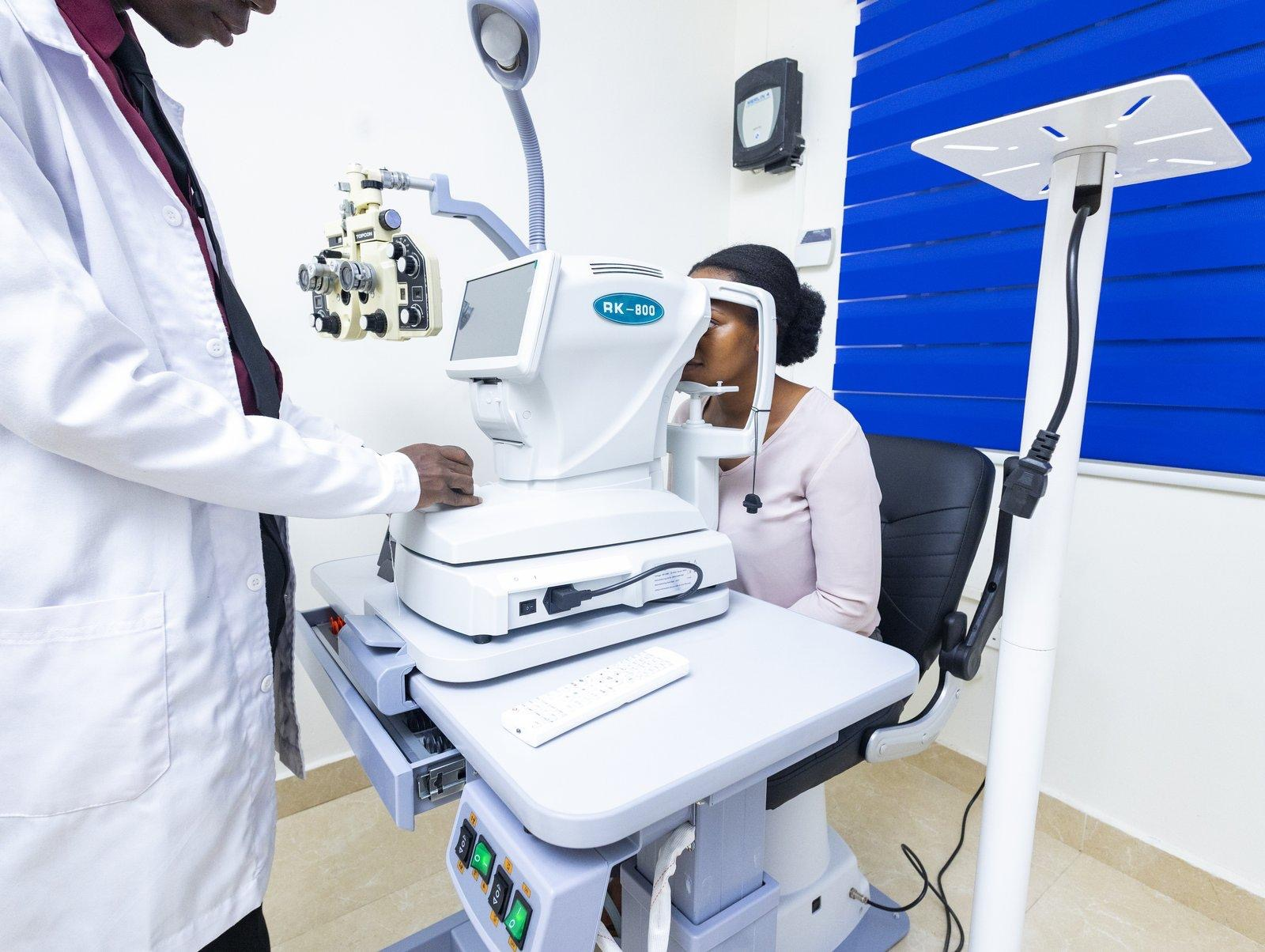
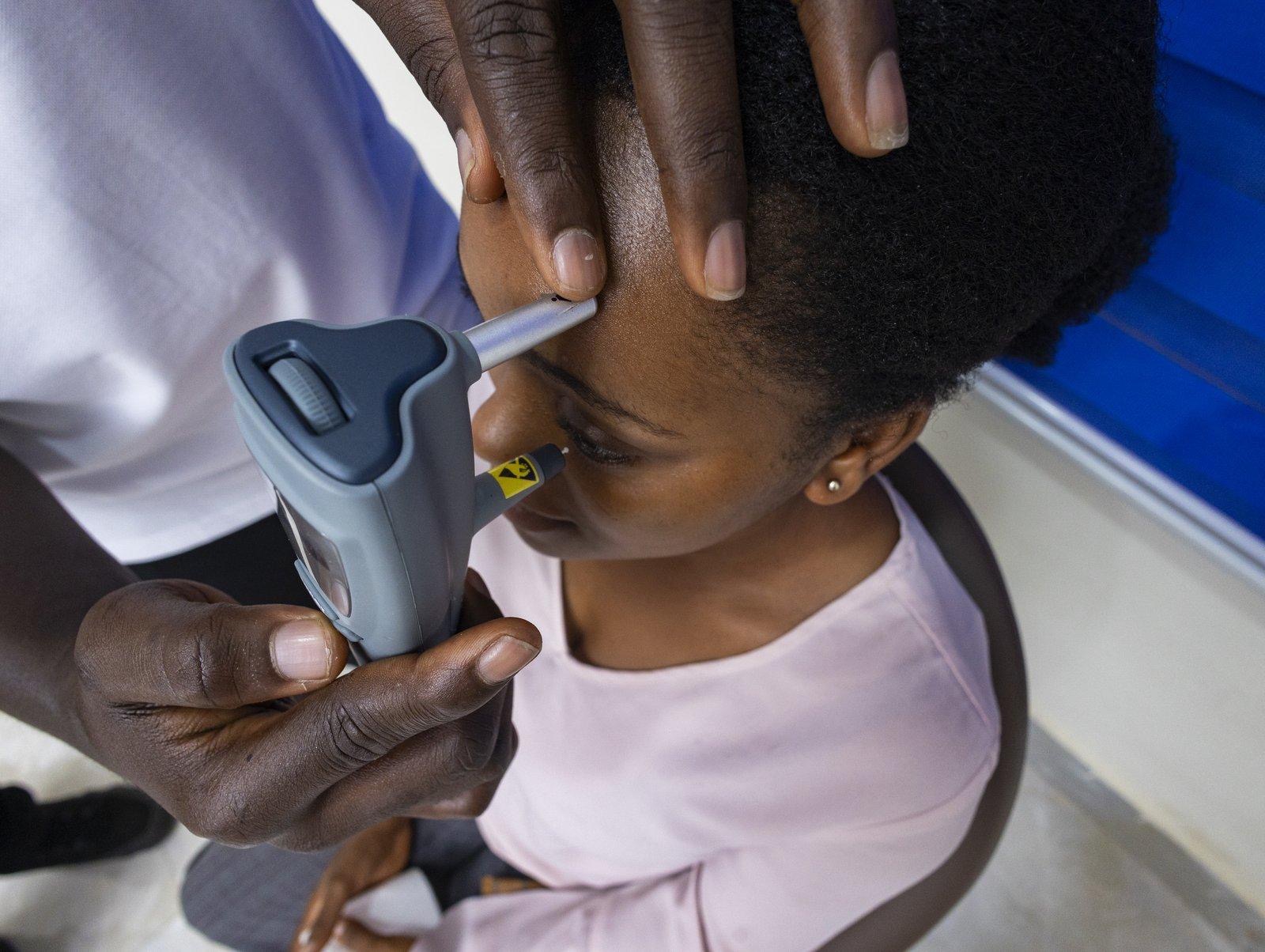
A comprehensive eye examination — which includes measurement of intraocular pressure, optic nerve imaging, and visual field testing — is the only way to detect glaucoma before vision loss becomes noticeable. There is no symptom to wait for.

2. The Misconception: “My eye drops are working — I feel fine now, so I can stop taking them.”
The Truth:
The President of the Ophthalmologist Society of Ghana, Dr. Dzifa-Bella Ofori-Adjei, addressed this directly in a public statement: “The drops do not cure the disease. It does not bring back the lost vision. It maintains the vision you have.”
Glaucoma eye drops work by lowering intraocular pressure (the fluid pressure inside the eye that damages the optic nerve). They do this job effectively only while you are using them, every day, as prescribed.
When patients stop taking their drops — because they feel better, because the drops are inconvenient, because they ran out and didn’t refill, or because they incorrectly assumed they were cured — the pressure in the eye rises again, and the optic nerve continues to be damaged.
Often silently. Often for months before the next clinical review.
Why Patients Stop Their Drops — And Why It’s Dangerous
- “I feel fine” — glaucoma doesn’t cause pain, so feeling fine means nothing about disease activity
- “They’re expensive” — stopping treatment because of cost accelerates irreversible damage; speak to your doctor about affordable alternatives
- “I forgot” — set a daily phone alarm; this is non-negotiable medication
- “The drops caused side effects” — report this to your specialist immediately; switching formulations is possible
- “I was told I’m cured” — glaucoma has no cure; if someone told you this, seek a second opinion
Glaucoma is a lifelong chronic condition. Treatment manages it; controls the pressure, preserves the nerve, protects the vision you still have. But it does not reverse damage or cure the underlying disease. Stopping treatment is not a decision to make lightly, or without consulting your ophthalmologist.

3. The Misconception: “Glaucoma is an old person’s disease. I’m too young to worry about it.”
The Truth:
This misconception is particularly costly in Ghana because the evidence directly contradicts it for people of West African descent. A ten-year clinical study conducted in Ghana found that the mean age of glaucoma patients at first presentation was 47 years – not 70, not 65. Forty-seven. The age range in that study ran from 9 to 86 years.
This is not surprising to researchers who work in this context. People of African descent develop primary open-angle glaucoma at younger ages, with higher intraocular pressures, and with faster progression than other populations globally.
The Tema Eye Survey found a glaucoma prevalence of 6.8% in Ghanaians over 40, rising to 14.6% among those aged 80 and above. But the disease starts well before those later decades.
Who Is at Elevated Risk — Start Screening Now
- Age 40+ — baseline screening essential, regardless of symptoms
- Family history — first-degree relatives of glaucoma patients face up to 10× the normal risk
- People of African descent — develop glaucoma younger and more aggressively than other populations
- Diabetes or hypertension — both are established glaucoma risk factors
- Short-sightedness (myopia) — associated with increased glaucoma susceptibility
- History of steroid use — including skin-lightening creams containing steroids
- Previous eye injury — trauma can trigger secondary glaucoma years later
The Ghana Health Service recommends eye examinations every two years from age 20 to 30, and every year from age 30 onwards. If you have any of the risk factors above, that frequency should be discussed with your specialist.
4. The Misconception: “I would feel the pressure in my eye if it were too high.”
The Truth:
This is one of the most intuitive-sounding misconceptions — and one of the most wrong. Elevated intraocular pressure, even at levels significantly above normal, causes no sensation whatsoever in the vast majority of glaucoma cases.
You cannot feel your eye pressure. There is no headache specific to it, no ache, no awareness. It is measured only with instruments, by a trained clinician.
There is one exception: acute angle-closure glaucoma, a rarer form of the disease where pressure rises suddenly and dramatically. This does cause symptoms — severe eye pain, nausea, blurred vision, and halos around lights — and constitutes a medical emergency requiring immediate treatment. But this is not the common picture.
The common picture is primary open-angle glaucoma – where pressure builds slowly and silently over years. Patients with IOP readings of 30, 35, even 40 millimetres of mercury (normal is below 21) often report no discomfort at all. The nerve is being damaged steadily, invisibly, painlessly.

5. The Misconception: “If I have glaucoma, surgery is a last resort — and probably won’t work anyway.”
The Truth:
Fear of surgery — and specifically, the belief that it is dangerous, unreliable, or reserved for hopeless cases — was identified in Ghanaian research as a significant barrier to treatment uptake. This fear costs patients their remaining vision unnecessarily.
The treatment pathway for glaucoma is not a dramatic escalation from “fine” to “surgery”. It is a tiered, managed process that typically begins with eye drops, and escalates to laser treatment if drops are insufficient.
It proceeds to surgery when clinically indicated — not as a last resort, but as the most effective long-term IOP control available for many patients with moderate to advanced disease.
Glaucoma Treatment Options at St. Thomas Eye Hospital
- Medicated eye drops — first-line treatment; lowers IOP daily to protect the optic nerve
- Selective Laser Trabeculoplasty (SLT) — a painless outpatient laser that improves eye drainage; evidence now supports it as a first-line option
- Micropulse Laser (TSCPC) — St. Thomas is currently the only facility in Ghana offering this advanced laser technology for refractory IOP
- Trabeculectomy — surgical creation of a new drainage channel; success rates of approximately 80% with anti-metabolite augmentation
- Glaucoma drainage devices — Ahmed valves, AADI, and Molteno shunts for complex cases; St. Thomas is the only facility in Ghana performing all three
Ghana now has one of the most advanced glaucoma treatment capabilities on the continent, concentrated specifically at St. Thomas Eye Hospital.
The limitation is not what treatment is available. The limitation is how late patients arrive. Trabeculectomy success rates are strong when nerve damage is moderate. They cannot restore what is already lost. Surgery works best when there is still vision worth protecting.
The Summary That Matters
Glaucoma is not rare in Ghana. It is the most prevalent in Africa. It is not an old person’s disease. Half of Ghanaian glaucoma patients are blind in one eye before they ever reach a clinic. It does not announce itself with pain or obvious vision changes. And it cannot be cured — only managed, if caught while there is still something to protect.
The five beliefs above are not obscure medical misunderstandings. They are the lived assumptions of millions of Ghanaians — passed through families, repeated in communities, and quietly, persistently costing people their sight.
Knowing the truth is not enough if the person next to you still holds the misconception. Share this. Print it. Read it at church. Send it on WhatsApp to the person in your family who hasn’t had an eye check in years.
A comprehensive glaucoma screening at a specialist facility takes less than an hour. The vision it saves can last a lifetime.

Dr. Michael E. Gyasi is the Medical Director and founder of St. Thomas Eye Hospital — a multi-branch specialist facility that introduced phacoemulsification cataract surgery and micro-incisional vitrectomy surgery to Ghana. Under his leadership, the hospital has delivered over 10,000 free sight restoration surgeries and screened more than 200,000 people for eye disease across the country.
Tags :