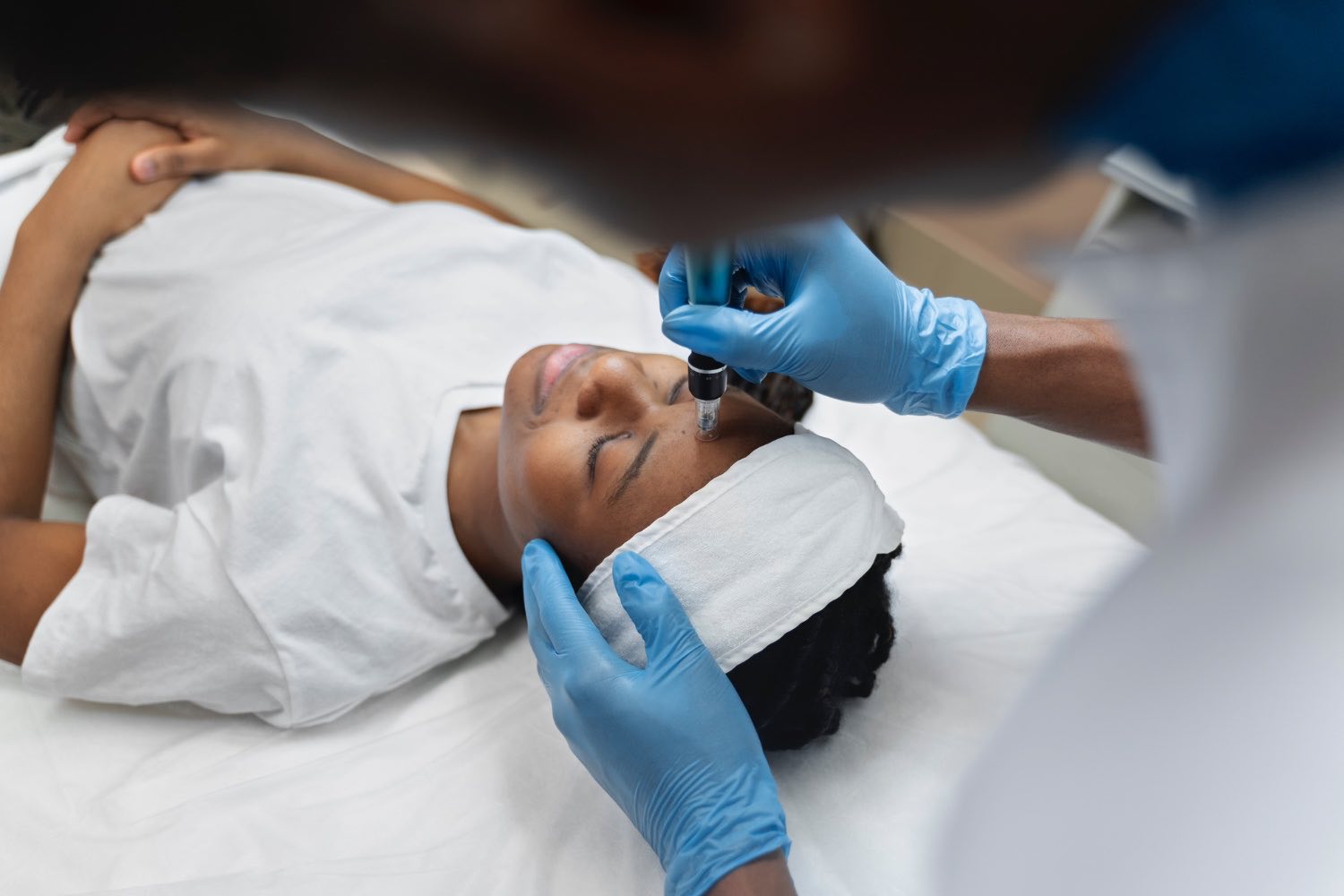
QUICK ANSWER Botox is a brand of botulinum toxin type A, a prescription medicine that temporarily reduces the activity of selected...
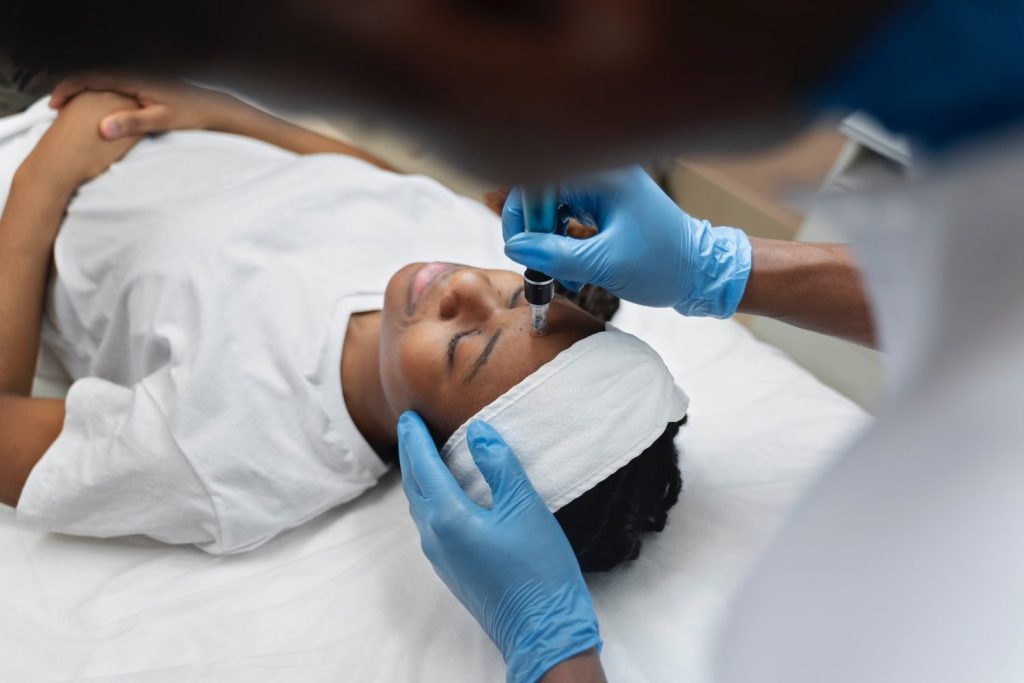
Botox Injections vs Eye Implications: What Ghanaian Patients Need to Know
QUICK ANSWER
Botox is a brand of botulinum toxin type A, a prescription medicine that temporarily reduces the activity of selected muscles. In eye care it may be used for conditions such as blepharospasm and selected types of strabismus; cosmetically, it softens movement-related lines. It is not a dermal filler, the result is temporary, and safe treatment depends on the correct diagnosis, product, dose, injection site and qualified clinician. Have questions about botox in Ghana? Book an assessment first and confirm the exact indication, product and current availability before paying for treatment.
Key takeaways
- Botox relaxes selected muscles temporarily; filler adds volume and is a different treatment.
- Medical Botox can reduce involuntary eyelid closure and may help selected eye-alignment problems.
- A persistent eyelid twitch should be diagnosed before treatment because dry eye, irritation, medicines and neurological conditions can cause similar symptoms.
- Results usually develop over several days and wear off gradually, so repeat treatment may be needed.
- Choose a qualified clinician who can manage eye-specific side effects and verify the product used.

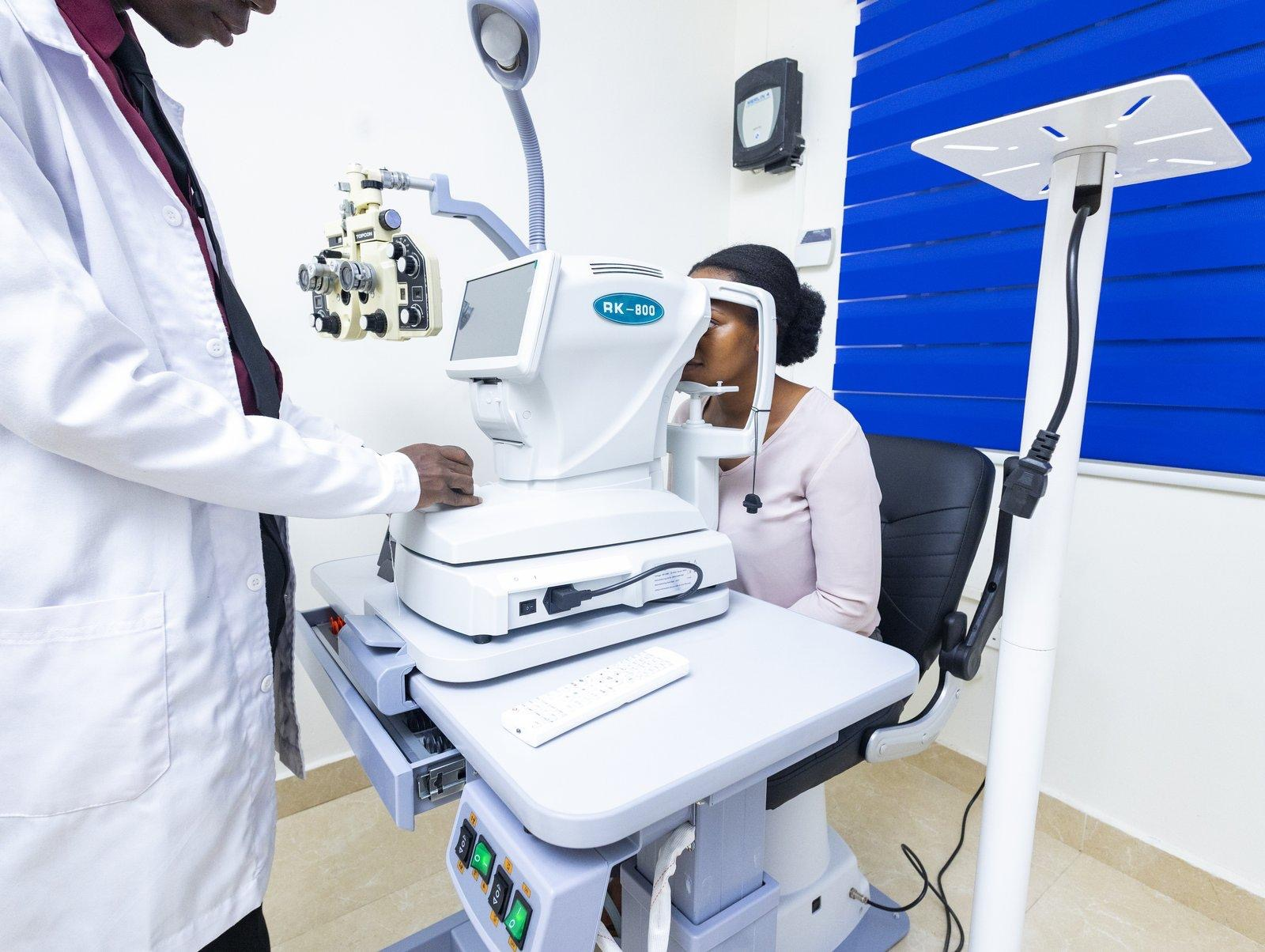
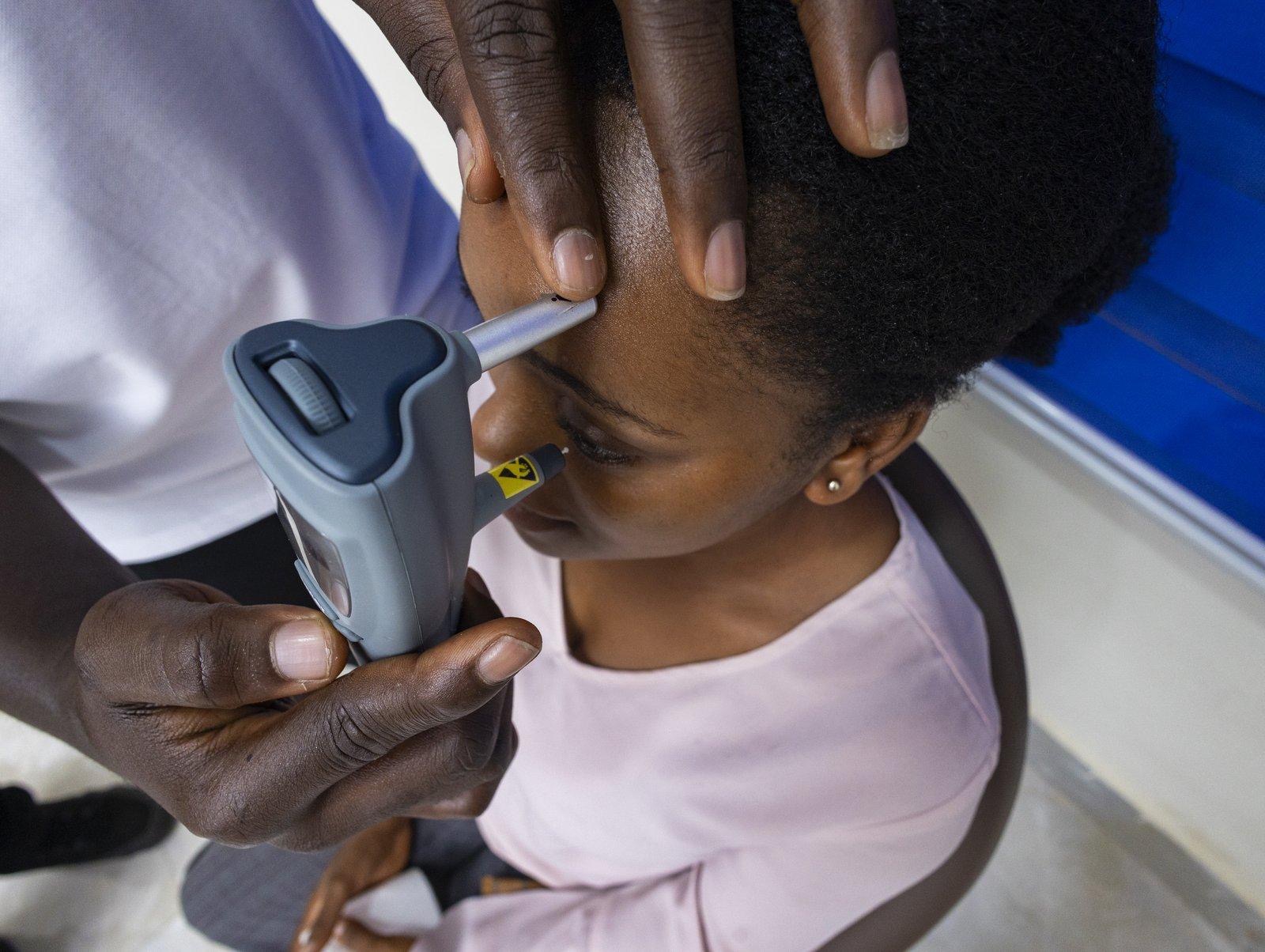
A proper eye examination helps separate a harmless eyelid twitch from blepharospasm, dry eye and other conditions that need different treatment.
What Botox is
Botox is the brand name of onabotulinumtoxinA. Other botulinum toxin products exist, but their dose units are not automatically interchangeable. The medicine blocks the release of a chemical signal that makes a muscle contract. The treated muscle becomes less active until nerve signalling gradually recovers.
The word “Botox” is often used casually for any wrinkle injection. That can blur an important distinction. Botulinum toxin reduces movement. Dermal fillers add volume beneath the skin.
A clinician may use either around the face for different reasons, but they do not solve the same problem. If under-eye swelling or bags are your concern, first read what causes eye bags and the available eye-bag treatment options.
Medical and Cosmetic Uses
| Use | Treatment goal | What should be assessed first |
| Blepharospasm | Reduce involuntary forceful eyelid closure and improve daily function. | Pattern of spasms, eye-surface irritation, medicines and neurological features. |
| Hemifacial spasm | Reduce unwanted contractions on one side of the face. | Cause of the spasm and whether neurological assessment or imaging is needed. |
| Selected strabismus | Temporarily weaken a particular eye muscle to improve alignment in suitable cases. | Type, size and duration of the deviation; binocular vision; previous surgery; age and cause. |
| Cosmetic expression lines | Soften lines caused by repeated muscle movement, such as frown lines or crow’s feet. | Facial anatomy, asymmetry, eyelid or brow position, goals and previous treatment. |
Botox for Blepharospasm
Blepharospasm causes repeated blinking or eyelid closure that a person cannot control. It is different from the short-lived twitch many people notice after stress, fatigue or excess caffeine. The National Eye Institute advises seeing an eye doctor when twitching lasts more than a few weeks, closes the eyes completely, or spreads to other parts of the face.
For diagnosed benign essential blepharospasm, small amounts of botulinum toxin are injected into selected eyelid muscles. The aim is to reduce spasms without weakening blinking more than necessary. Most patients need repeat treatment because the effect wears off. Dry eye and eyelid inflammation may also need treatment because surface irritation can worsen blinking.
Botox for Strabismus
Strabismus means the eyes are not aligned in the same direction. Botulinum toxin can be useful in selected cases, but it is not a universal replacement for eye-muscle surgery. The American Academy of Ophthalmology EyeWiki review notes that evidence and results vary by the type of strabismus.
Large, restrictive or long-standing deviations may be better managed with surgery or another approach. A detailed alignment examination is therefore essential.
Cosmetic Botox Around the Eyes
Cosmetic injections can soften crow’s feet and some brow or forehead lines created by repeated expression. They do not remove excess eyelid skin, reposition under-eye fat, correct true eyelid droop, or fill a hollow tear trough. Treating the wrong anatomical problem can disappoint even when the injection is technically successful.
An eye-care or oculoplastic assessment is especially useful when the brow, eyelid position, dry eye or previous eye surgery may affect the plan.
What Happens at a Botox Session
- Assessment. The clinician asks about your symptoms or cosmetic goal, medical history, medicines, previous injections and any problems with swallowing, breathing, muscles or nerves.
- Examination and plan. The clinician maps the muscles responsible and explains the expected benefit, limitations, alternatives and risks.
- Preparation. The skin is cleaned. Numbing cream or ice may be used, although the needles are very fine.
- Injection. Small amounts are placed at specific points. Medical eye-muscle injections may need specialised guidance and a different setting from cosmetic treatment.
- Aftercare. You receive instructions on what to avoid, which effects are expected, and when to return or call urgently.
The injection visit is usually brief, but the consultation should not feel rushed. The full effect is not immediate and often becomes clearer over the following days.
Duration varies with the condition, dose, muscle and individual response. The National Eye Institute blepharospasm guide says many people treated for blepharospasm require injections every three to four months.
Side Effects and Warning Signs
Temporary bruising, tenderness or headache can occur after injections. Around the eyes, possible effects include eyelid droop, eyebrow asymmetry, double vision, incomplete eyelid closure, watering or dry eye. These risks depend strongly on the injection site and dose.
The FDA prescribing information for Botox also warns that reduced blinking after blepharospasm treatment can expose and injure the cornea, and that toxin effects can rarely spread beyond the injection area.
Seek urgent medical help for difficulty breathing, swallowing or speaking; generalised weakness; severe allergic symptoms; or rapidly worsening eye pain or vision. Contact the treating eye clinic promptly if the eyelid will not close or if the eye becomes very dry, red or painful.
Who Should Discuss Extra Precautions
- Anyone who is pregnant, planning pregnancy or breastfeeding.
- People with a neuromuscular disorder, swallowing or breathing difficulty, or a previous reaction to botulinum toxin.
- Anyone with infection or significant inflammation at a proposed injection site.
- People taking medicines that affect muscles, nerves or blood clotting.
- Patients with dry eye, weak eyelid closure, facial palsy, previous eyelid surgery or an existing eyelid droop.
This list is not exhaustive. Bring a complete medication and supplement list to the consultation rather than stopping prescribed medicine on your own.
Choosing Botox Treatment in Ghana
Search results for “Botox in Ghana” are dominated by cosmetic offers. Medical eye indications need a different level of diagnosis and follow-up.
Before treatment, ask who will inject you and what their professional qualification is; the exact brand and active ingredient; whether the product is sealed, within its expiry date and stored correctly; why the proposed injection sites suit your diagnosis; which side effects are most relevant; and whom to contact after hours.
Price should not be compared by “area” alone. Cost can depend on the diagnosis, number of muscles, product and dose, clinician expertise, use of guidance, and whether review is included. A low headline price may not describe the same treatment.

Patients in Accra can begin with an eye assessment and confirm which treatment options are currently available for their diagnosis.
St Thomas’s public services page lists clinical consultations and oculoplastic services but does not currently name botulinum toxin as a specific service. Begin with a consultation so the team can diagnose the problem and confirm current treatment and branch availability. See the hospital branches or book an eye consultation.
Frequently Asked Questions
Is Botox the same as filler?
No. Botox reduces muscle activity. Filler adds volume. The correct choice depends on whether movement, volume loss, displaced fat, loose skin or another condition is causing the concern.
Can Botox treat every eyelid twitch?
No. Common twitches often settle without injections. Persistent or forceful closure needs an examination to check for dry eye, irritation, medicine effects, blepharospasm, hemifacial spasm or another cause.
How long does Botox last?
The effect is temporary and varies. For blepharospasm, repeat treatment is commonly needed around every three to four months, but the interval should be individualised.
Will Botox fix eye bags?
Botox does not remove displaced under-eye fat or loose skin. It may soften certain movement-related lines, while structural eye bags may need other non-surgical treatment or blepharoplasty.
Is Botox safe?
It has established medical and cosmetic uses, but it is a prescription treatment with real risks. Safety depends on correct diagnosis, product handling, dose, injection site, clinician training and follow-up.

Dr. Michael E. Gyasi is the Medical Director and founder of St. Thomas Eye Hospital — a multi-branch specialist facility that introduced phacoemulsification cataract surgery and micro-incisional vitrectomy surgery to Ghana. Under his leadership, the hospital has delivered over 10,000 free sight restoration surgeries and screened more than 200,000 people for eye disease across the country.
Tags :