QUICK ANSWER Botox is a brand of botulinum toxin type A, a prescription medicine that temporarily reduces the activity of selected...
Diabetic Retinopathy Treatment Options in Ghana
QUICK ANSWER
Diabetic retinopathy can be treated in Ghana with monitoring and diabetes control, injections into the eye, retinal laser treatment, vitrectomy surgery, or a combination of these. The right plan depends on whether the main problem is leakage and swelling at the macula, fragile new blood vessels, bleeding into the eye, scar tissue, or retinal detachment. Treatment protects the sight that remains and may improve vision in some cases, but it cannot reliably restore retinal tissue that has already been permanently damaged.
Key takeaways
- Early diabetic retinopathy may need close observation rather than a procedure, but it still requires scheduled retinal reviews.
- Anti VEGF injections are commonly used for diabetic macular oedema and may also be used for proliferative diabetic retinopathy.
- Pan retinal photocoagulation treats widespread retinal oxygen shortage and fragile new vessels; focal laser may be used in selected leaking areas.
- Vitrectomy is considered when advanced disease causes persistent bleeding, traction, or retinal detachment.
- Good blood glucose, blood pressure and cholesterol management remains part of every treatment plan.

What Diabetic Retinopathy Is
Diabetic retinopathy is damage to the small blood vessels in the retina, the light-sensitive tissue at the back of the eye. Persistently high blood glucose can weaken these vessels, make them leak, or close them. The retina may then become swollen or starved of oxygen.
In response, the eye can grow fragile new vessels that bleed easily. Ghana’s National Guidelines for the Management of Diabetes describe diabetic retinopathy as a progressive, potentially sight-threatening complication of both type 1 and type 2 diabetes.
Early disease often causes no pain or noticeable change in sight. That is why a person can need treatment even when everyday vision still seems normal. For a broader explanation of risk and symptoms, read our guide to diabetic retinopathy in Ghana.
Stages and Symptoms
| Stage | What is happening | What a patient may notice |
| Mild non proliferative retinopathy | Tiny bulges called microaneurysms appear in retinal vessels. | Often no symptoms. |
| Moderate non proliferative retinopathy | More vessels leak or become blocked; small retinal haemorrhages or deposits may appear. | Often no symptoms; vision may fluctuate if the macula swells. |
| Severe non proliferative retinopathy | More of the retina loses an adequate blood supply. | Blurred vision may occur, but some people still notice little. |
| Proliferative retinopathy | Fragile new blood vessels grow and may bleed into the vitreous gel. | New floaters, cobwebs, haze, dark areas or sudden loss of vision. |
| Advanced diabetic eye disease | Scar tissue may pull on the retina and cause detachment. | Marked distortion, a curtain or shadow, or severe loss of sight. |
Diabetic macular oedema can occur at more than one stage. It develops when leaking vessels cause fluid to collect in the macula, the part of the retina responsible for fine central vision. Symptoms can include blurred or wavy central vision, faded colour, and difficulty reading or recognising faces.
How the Eye Specialist Chooses Treatment
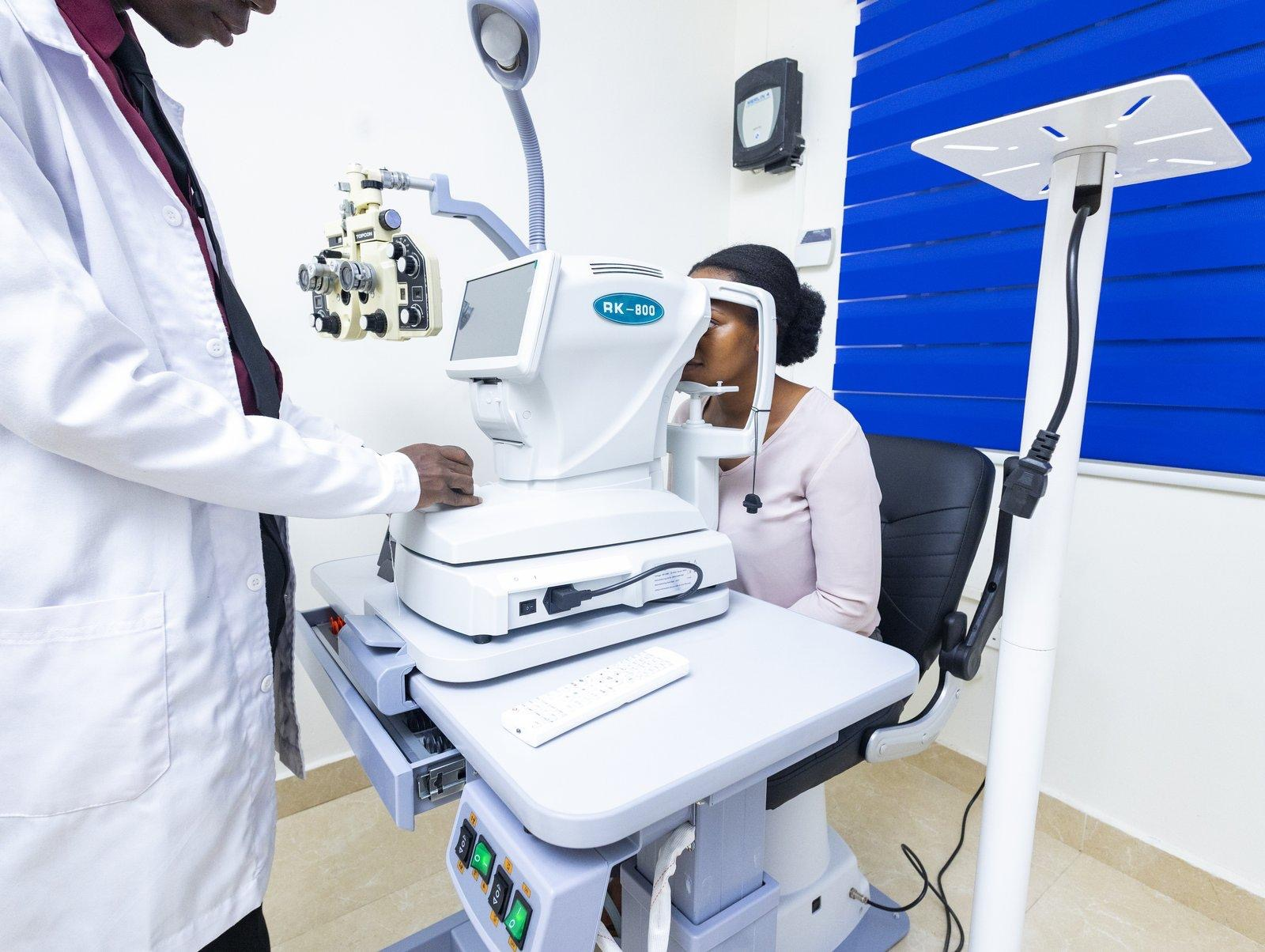
Treatment is based on the retinal findings, not on the diagnosis of diabetes alone. A comprehensive examination may include visual acuity, dilated retinal examination, fundus photography, optical coherence tomography, and fundus fluorescein angiography. Our guide to eye scans and diagnostic tests explains what these tests show.

The examination answers practical questions:
- Is the macula swollen? Are abnormal vessels growing?
- Has blood entered the vitreous?
- Is scar tissue pulling on the retina?
- How good is the vision now?
- Can the patient return for repeated treatment and monitoring?
Two people with the same stage may therefore receive different plans.
Treatment Options for Diabetic Retinopathy
| Option | Often considered when | What it aims to do | Follow up |
| Observation and diabetes management | Retinopathy is absent, mild or stable without sight-threatening swelling. | Reduce future risk and detect change early. | Repeat retinal reviews at the interval set by the clinician. |
| Anti VEGF injections | Diabetic macular oedema affects vision; selected proliferative disease. | Reduce leakage, swelling and abnormal vessel activity. | Usually begins with a series of visits, then adjusts to response. |
| Steroid injection or implant | Selected macular oedema cases, including some that respond poorly to anti VEGF. | Reduce retinal inflammation and swelling. | Eye pressure and cataract risk need monitoring. |
| Retinal laser | Proliferative disease, severe high-risk changes, or selected leaking areas. | Reduce the drive for abnormal vessels or treat focal leakage. | May require more than one session and later monitoring. |
| Vitrectomy surgery | Non-clearing vitreous bleeding, traction or retinal detachment. | Remove cloudy vitreous and blood, release scar tissue, and repair the retina. | Postoperative reviews and positioning may be required. |
Eye injections
Anti vascular endothelial growth factor medicines, usually shortened to anti VEGF, block a signal that promotes leakage and abnormal blood-vessel growth. The National Eye Institute guide to eye injections explains that they are used for diabetic retinopathy and diabetic macular oedema. An anaesthetic numbs the eye, the surface is cleaned, and the medicine is delivered with a very fine needle.
Patients often need several injections at first. The exact medicine, interval and duration depend on the scan findings, vision, response, affordability and ability to attend follow-up. Pain or worsening vision after an injection requires urgent contact with the treating clinic because infection inside the eye, although uncommon, can threaten sight.
Retinal laser treatment
Pan retinal photocoagulation places laser spots in the peripheral retina to reduce the oxygen-starvation signal that drives abnormal vessels. It is mainly used for proliferative diabetic retinopathy and selected severe cases.
Focal laser targets specific leaking areas in suitable patients. The National Eye Institute laser guide notes that scatter laser may need more than one session and can affect side, colour or night vision. The benefit and trade-off should be discussed before treatment.
St Thomas lists pan retinal photocoagulation, scatter laser and focal retinal laser among its laser and retinal services. You can also read our overview of seven laser eye treatments to understand how retinal laser differs from procedures used for glaucoma, cataract aftercare or refractive correction.
Vitrectomy surgery
Vitrectomy may be needed when blood in the vitreous does not clear, scar tissue pulls on the retina, or a tractional retinal detachment threatens or affects the macula. The surgeon removes the cloudy vitreous gel, clears blood and scar tissue, and may use laser, gas or silicone oil as part of the repair. The outcome depends partly on how long the retina has been affected and how advanced the damage is when surgery begins.

Advanced diabetic eye disease may require vitreoretinal surgery after a specialist assessment.
Living with Diabetic Retinopathy
Eye treatment addresses the complication in the retina, but it does not replace diabetes care. Work with your diabetes team on your personal targets for blood glucose, blood pressure and cholesterol, take prescribed medicines, avoid smoking, and keep every eye appointment. Bring a current medicine list and, if available, recent HbA1c and blood-pressure results to the eye clinic.
Do not assume treatment has failed because vision does not improve immediately. Some treatments are intended primarily to stop further loss. Ask the clinician what success should look like in your case, when the next scan is due, and which symptoms should trigger an urgent visit.
Finding Treatment in Ghana
A Ghanaian study of diabetic retinopathy treatment services documented laser, anti VEGF therapy and vitreoretinal surgery in the country, but also found that services and specialists were concentrated in urban areas. Ghana’s national guideline recommends at least yearly screening for people with diabetes and referral of sight-threatening disease to a facility with an ophthalmologist.
Before choosing a facility, ask whether it can perform a dilated retinal examination and the scans needed for your condition; whether a retina specialist is available; which injections, lasers or operations are currently offered; how many visits are likely; and what the quoted cost includes.
St Thomas publicly lists fundus photography, macular OCT, fluorescein angiography, intravitreal injections, retinal laser and vitrectomy among its diagnostic and treatment services. Availability can vary by branch and date, so confirm when booking.
When to Seek Urgent Eye Care
- A sudden shower of new floaters or cobweb-like shapes.
- Flashes of light, a dark curtain or shadow, or sudden loss of part of the visual field.
- Rapid, unexplained reduction in vision in one or both eyes.
- Increasing pain, redness or worsening vision after an eye injection or operation.
Schedule a Diabetic Eye Screening
If you have diabetes and have not had a dilated retinal examination in the past year, arrange one now even if your sight seems normal. If retinopathy has already been diagnosed, bring your previous scans and treatment records. View St Thomas branches or contact the hospital to request a diabetic eye screening.
Frequently Asked Questions
Can diabetic retinopathy be cured?
Treatment can control leakage, swelling, abnormal vessels and complications, but it does not cure diabetes or reliably restore retinal tissue that has been permanently damaged. Early detection gives the best chance of preserving useful vision.
Are injections better than laser?
Neither is best for every eye. Injections are often used for diabetic macular oedema and selected proliferative disease. Pan retinal laser remains important for proliferative disease, especially when durable control or follow-up reliability matters. Some patients need both.
Does retinal laser remove spectacles?
No. Retinal laser treats disease at the back of the eye. It is different from refractive laser procedures intended to reduce dependence on glasses.
How often should someone with diabetes have an eye examination?
Ghana’s national guideline recommends at least yearly screening. A clinician may shorten the interval when retinopathy is present, vision is changing, diabetes control is poor, or pregnancy increases risk.
Can vision improve after treatment?
Yes, particularly when treatment reduces macular swelling or clears vitreous blood, but improvement is not guaranteed. Many treatments are primarily intended to prevent further loss.

Dr. Michael E. Gyasi is the Medical Director and founder of St. Thomas Eye Hospital — a multi-branch specialist facility that introduced phacoemulsification cataract surgery and micro-incisional vitrectomy surgery to Ghana. Under his leadership, the hospital has delivered over 10,000 free sight restoration surgeries and screened more than 200,000 people for eye disease across the country.
Tags :