QUICK ANSWER Botox is a brand of botulinum toxin type A, a prescription medicine that temporarily reduces the activity of selected...

Contact Lenses vs. Glasses in Ghana: Which Is Right for You? | St Thomas Eye Hospital
You’re sitting in a trotro somewhere between Madina and Accra Central, squinting at a street sign that everyone else seems to read without effort. Or maybe you’re in a meeting in Kumasi, leaning forward every time the PowerPoint changes, hoping no one notices.
You know you need vision correction. What you don’t know is which path to take: the familiar weight of glasses on your nose, or the idea of putting something directly on your eyeball.
It’s a decision millions of Ghanaians are quietly navigating right now. And surprisingly, most never get the full picture before they choose.
This article changes that.
What Most People in Ghana Don’t Know About Contact Lenses
Research shows that only about 35% of spectacle wearers in Ghana are even aware that contact lenses exist as a vision correction option. It means if you’re reading this, you’re already ahead of the majority.
The most common reasons people in Ghana avoided contacts were: lack of enough information (27%), satisfaction with glasses (25%), fear of side effects (23%), and cost (19%).
All four of those concerns are addressable if you have the right guidance. Let’s walk through them.
Glasses in Ghana: The Honest Pros and Cons
Why glasses are still the dominant choice
Glasses are the most widely used form of vision correction in Ghana, and for good reason.
They’re low maintenance. No cleaning solutions, no insertion rituals, no wondering whether your hands are clean enough. You put them on, you take them off. Done.
They protect your eyes. Glasses act as a physical shield against dust, wind, and harmful UV rays — especially if you opt for lenses with UV coating. In the harmattan season, when fine dust particles fill the air across the country, this is not a small advantage. For anyone spending time on construction sites, outdoor markets, or dusty roads, glasses provide passive protection that contacts simply cannot match.
They’re cost-effective long-term. A quality pair of glasses in Ghana, properly maintained, can serve you for years. There are no recurring costs for solutions or replacement lenses.
They suit sensitive eyes. Glasses are ideal for individuals who prefer low-maintenance options and those prone to eye irritation — particularly people with dry eyes, allergies, or conditions that make contact lens wear uncomfortable.

Where glasses fall short
They fog up. Glasses are prone to fogging when moving from a cold, air-conditioned environment to a hot one, a daily reality for anyone stepping out of a chilled office building onto the streets of Accra or Kumasi.
They limit peripheral vision. Frames can obstruct side vision, which can be frustrating during driving, sports, or any activity requiring full spatial awareness.
They can be impractical for physical activities. Glasses may slip, fog up, or break during sports or high-motion activities. For market traders moving quickly, athletes training outdoors, or anyone who sweats heavily, this is a real daily inconvenience.
They change your appearance. Many Ghanaians, particularly younger professionals and students, report feeling less confident wearing frames. Some wear them reluctantly, or not at all, choosing blurry vision over what they perceive as a look they don’t want.
Contact Lenses in Ghana: What Nobody Is Telling You
The upsides
Full, unobstructed vision. Contact lenses conform to the natural curve of your eye, providing a wider, clearer field of vision with no frame obstruction. You see what your eye sees, not what a frame allows.
Freedom of movement. Whether you’re playing football in Kumasi, navigating the chaos of Kaneshie market, or hitting the gym, contacts stay in place. They move with you.
Weather-proof functionality. Unlike glasses, contacts don’t fog up when you walk from air conditioning into heat. They don’t collect rain or cloud over in humidity, a genuine advantage during Ghana’s rainy season.
Cosmetic versatility. In Ghana, cosmetic use is actually one of the key reasons people seek out contact lenses: changing or enhancing eye colour for events, photography, or personal expression. This is legitimate and safe, as long as lenses are properly fitted and prescribed by a qualified optometrist.

The risks you need to know
Contact lens practice is relatively new in Ghana, and the country’s warm climate and high humidity create environmental conditions that can influence lens wear comfort and safety.
Air pollution — from smog, dust, smoke, and chemicals — can severely affect eye health and contact lens comfort. Anyone commuting daily in Accra’s traffic or working in dusty environments needs to take this seriously.
Hygiene is everything. Contacts that are worn too long, stored incorrectly, or touched with unwashed hands can cause serious eye infections, some of which can lead to permanent vision damage. This risk is manageable, but it requires discipline.
Water is not your friend. Never rinse contact lenses with tap water, shower while wearing them, or swim in them. Ghanaian tap water, like water in many countries, may carry microorganisms that can cause severe eye infections in contact lens wearers.
Access to proper fitting matters. Contact lens fitting in Ghana is primarily offered by optometrists, but availability varies. Urban centres like Accra and Kumasi have more access than rural areas. This is one reason why — if you’re considering contacts — your first step should be a professional consultation, not an online purchase.
The Question That Actually Decides It: What Does Your Life Look Like?
You’re probably better suited for glasses if…
- You work in dusty environments (construction, agriculture, markets, outdoor logistics)
- You have known dry eyes or frequent eye allergies
- You’re in a location where follow-up optometry care is difficult to access
- You tend to forget routines; contacts require daily discipline
- You wear them primarily for reading or computer use
You’re probably a good candidate for contact lenses if…
- You’re active; sports, fitness, outdoor work where frames are inconvenient
- You struggle with confidence in glasses, or glasses interfere with your professional appearance
- You’re in or near a city with access to a certified contact lens optometrist
- You commit to following strict hygiene routines
- You want cosmetic lens options for events or personal expression
Many people in Ghana use both
Many people actually use both: glasses for work or home, and contacts for going out, sports, or special occasions. This combination approach gives you the safety and ease of glasses as your baseline, with the freedom of contacts when the situation calls for it.
What About Cost?
Daily disposable lenses tend to cost more than monthly lenses, while soft lenses are generally less expensive than rigid gas permeable (RGP) lenses. Brands like Acuvue and CooperVision are available in Ghana.
When you add up the cost of cleaning solutions, replacement lenses, and regular check-ups, contacts carry ongoing expenses that glasses don’t. However, if poor vision is affecting your work performance, your safety, or your mental well-being, the cost of not correcting it properly is also real.
The right financial comparison isn’t “glasses vs contacts.” It’s the total cost of each option weighed against how much better your daily life becomes.
Can Anyone in Ghana Wear Contact Lenses?
Not everyone is a candidate.
In Ghana, the most common conditions corrected with contact lenses are myopia (short-sightedness), astigmatism, and hyperopia (long-sightedness). If you have a complex prescription — especially significant astigmatism — there are now toric contact lenses designed specifically for this.
People with severe dry eye, certain corneal conditions, or active eye infections should not wear contacts without specialist guidance. An eye examination will tell you exactly where you stand.
The One Thing You Should Do Before Deciding
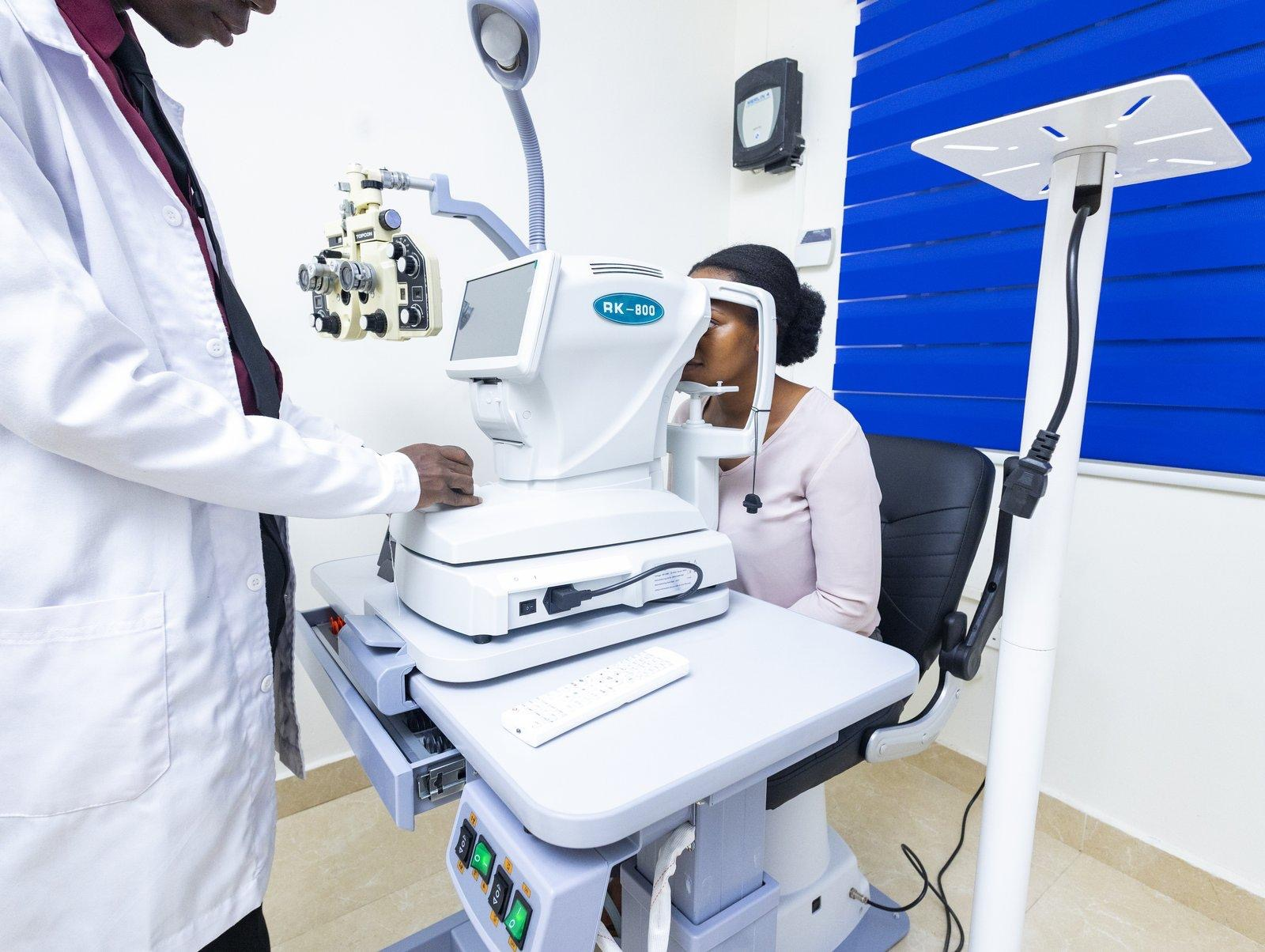
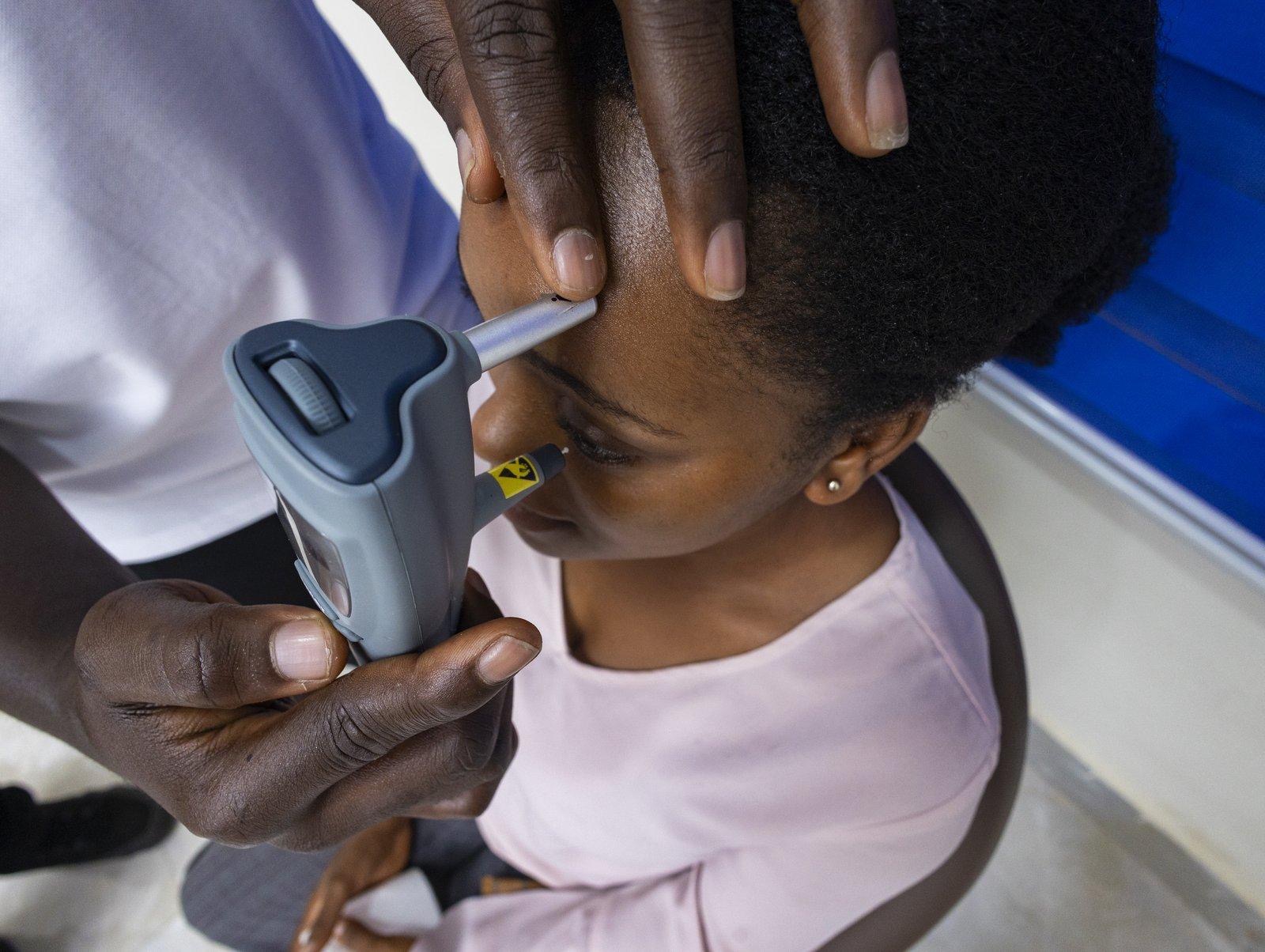
Neither glasses nor contacts should be chosen based on what a friend recommends, what’s cheapest at a shop, or what looks good online. Vision correction is a clinical decision, which means it starts with a comprehensive eye examination.
During an eye exam, your optometrist will:
- Measure your exact refractive error (the prescription)
- Assess your tear film — which determines whether your eyes can tolerate contact lenses comfortably
- Check for any underlying eye conditions that might influence your choice
- Fit contact lenses properly if you’re a candidate — contact lens fitting is separate from a regular glasses prescription
- Give you personalised guidance based on your lifestyle, occupation, and local environment
As awareness of optometry services improves in Ghana and more people seek professional eye care consultations, the adoption of well-fitted contact lenses is rising, particularly among young professionals, students, and fashion-conscious individuals in urban centres like Accra, Kumasi, and Takoradi.
You don’t have to navigate this decision alone or base on guesswork.
Ready to Find Out Which Is Right for You?
Whether you’ve been putting off your first eye exam or you’ve worn glasses for years and are curious about contacts, a professional consultation is the clearest path forward.
Book an appointment with our optometrists today.
Our team offers comprehensive eye examinations, contact lens fitting services, and a full range of prescription eyewear — with branches across Ghana for your convenience.

Dr. Michael E. Gyasi is the Medical Director and founder of St. Thomas Eye Hospital — a multi-branch specialist facility that introduced phacoemulsification cataract surgery and micro-incisional vitrectomy surgery to Ghana. Under his leadership, the hospital has delivered over 10,000 free sight restoration surgeries and screened more than 200,000 people for eye disease across the country.
Tags :