QUICK ANSWER Botox is a brand of botulinum toxin type A, a prescription medicine that temporarily reduces the activity of selected...
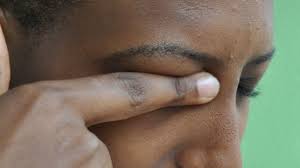
What Causes Itchy Eyes? Common Triggers and Relief Options
Have you ever experienced that irritating, sometimes overwhelming urge to rub your eyes? Itchy eyes, medically known as ocular pruritus, are a common complaint that can range from a mild annoyance to significant discomfort.
Understanding the causes of itchy eyes is the first step towards finding relief and protecting your precious eyesight.
This article will explore why your eyes might be itching, what you can do about it, and when it’s time to seek professional help.

Common Causes of Itchy Eyes
Itchy eyes can stem from a variety of factors, both internal and external. Often, the cause is benign and easily managed, but sometimes, it can signal a more serious underlying condition.
Let’s delve into the most frequent culprits.
Allergies and Environmental Triggers in Ghana
One of the most prevalent causes of itchy eyes is allergies. When your eyes come into contact with an allergen – a substance your body mistakenly identifies as harmful – they release histamine, which leads to that familiar itchy sensation, along with redness and watering.
Common allergens include pollen from trees and grasses, dust mites found in homes, and pet dander.
In Ghana, environmental factors play a significant role. The Harmattan season, with its dry, dusty winds, often brings a surge in eye irritation and allergic reactions. Air pollution, particularly in urban areas like Accra and Kumasi, also contributes to eye discomfort.
These airborne particles can settle on the eye’s surface, triggering irritation and allergic responses. Even certain molds, thriving in humid conditions, can act as allergens.

Dry Eye vs. Eye Infection: Knowing the Difference
It’s easy to confuse the symptoms of dry eyes with those of an eye infection, as both can cause discomfort. However, understanding the key differences is crucial for appropriate care.
Dry Eye Syndrome occurs when your eyes don’t produce enough tears, or the tears evaporate too quickly. Tears are essential for lubricating and nourishing the eye.
Symptoms often include a burning sensation, a gritty feeling as if something is in your eye, redness, and sometimes even excessive watering (as the eye tries to compensate for dryness). These symptoms often worsen towards the end of the day or in dry, windy environments.
Eye Infections, such as conjunctivitis (commonly known as ‘pink eye’), are caused by bacteria, viruses, or fungi.
Unlike dry eyes, infections typically present with a discharge (which can be clear, white, yellow, or green), crusting around the eyelids, and sometimes pain or sensitivity to light.
Viral conjunctivitis is highly contagious, while bacterial infections may require antibiotic eye drops. If you suspect an infection, it’s vital to seek medical advice promptly to prevent it from spreading or worsening.
When Itchy Eyes Are Harmless vs. When They Need Medical Attention
Most of the time, itchy eyes are a minor irritation that can be managed with simple home care.
However, there are instances when persistent or severe itching, especially when accompanied by other symptoms, warrants a visit to an eye care professional. Knowing when to seek help is crucial for preventing potential complications.
You can usually manage itchy eyes at home if:
- The itching is mild and intermittent.
- There are no other concerning symptoms like severe pain, vision changes, or thick discharge.
- You can identify a clear trigger (like dust or pollen) and avoid it.
It’s time to see an eye doctor if you experience:
- Severe pain or discomfort: Itching that is intense or accompanied by sharp pain.
- Vision changes: Blurry vision, double vision, or sensitivity to light.
- Thick, colored discharge: Yellow, green, or white discharge, especially if it crusts your eyelids shut.
- Redness that worsens: Or redness that is accompanied by swelling of the eyelid or around the eye.
- Foreign body sensation: A feeling that something is constantly in your eye, even after rinsing.
- Symptoms that don’t improve: After a few days of home remedies or over-the-counter eye drops.
- Recent eye injury or chemical exposure: Even if symptoms seem mild initially.
Safe Home Remedies and Proper Use of Eye Drops
For mild cases of itchy eyes, several home remedies and over-the-counter options can provide relief. Always ensure your hands are clean before touching your eyes or applying any remedies.
- Cold Compresses: A clean cloth soaked in cool water and placed over closed eyelids can help reduce inflammation and soothe itching.
- Artificial Tears: Over-the-counter lubricating eye drops, often called artificial tears, can wash away irritants and provide moisture to dry, itchy eyes. Choose preservative-free options if you use them frequently.
- Avoid Rubbing: While tempting, rubbing itchy eyes can worsen irritation, damage the delicate eye tissue, and even introduce bacteria, leading to infection.
When using eye drops, follow these steps for proper application:
- Wash your hands thoroughly.
- Tilt your head back and gently pull down your lower eyelid to create a small pocket.
- Hold the dropper directly over your eye, being careful not to touch your eye with the tip.
- Squeeze one drop into the pocket. If you miss, wait a few minutes and try again.
- Close your eye gently for a minute or two to allow the drop to spread.
- Blot any excess liquid with a clean tissue.

What Not to Do When Your Eyes Are Itchy
Just as important as knowing what to do is knowing what to avoid when your eyes are itching. These actions can exacerbate the problem or lead to more serious issues:
- Do NOT rub your eyes vigorously: This can cause further irritation, scratch your cornea, or introduce germs.
- Do NOT use expired eye drops: Always check the expiration date on any eye product.
- Do NOT share eye drops or makeup: This can spread infections.
- Do NOT use tap water to rinse your eyes: Tap water is not sterile and can contain microorganisms that may cause infection.
- Do NOT ignore worsening symptoms: If your symptoms are getting worse or new, more severe symptoms appear, do not delay seeking professional medical advice.
How Itchy Eyes Are Assessed at St Thomas Eye Hospital
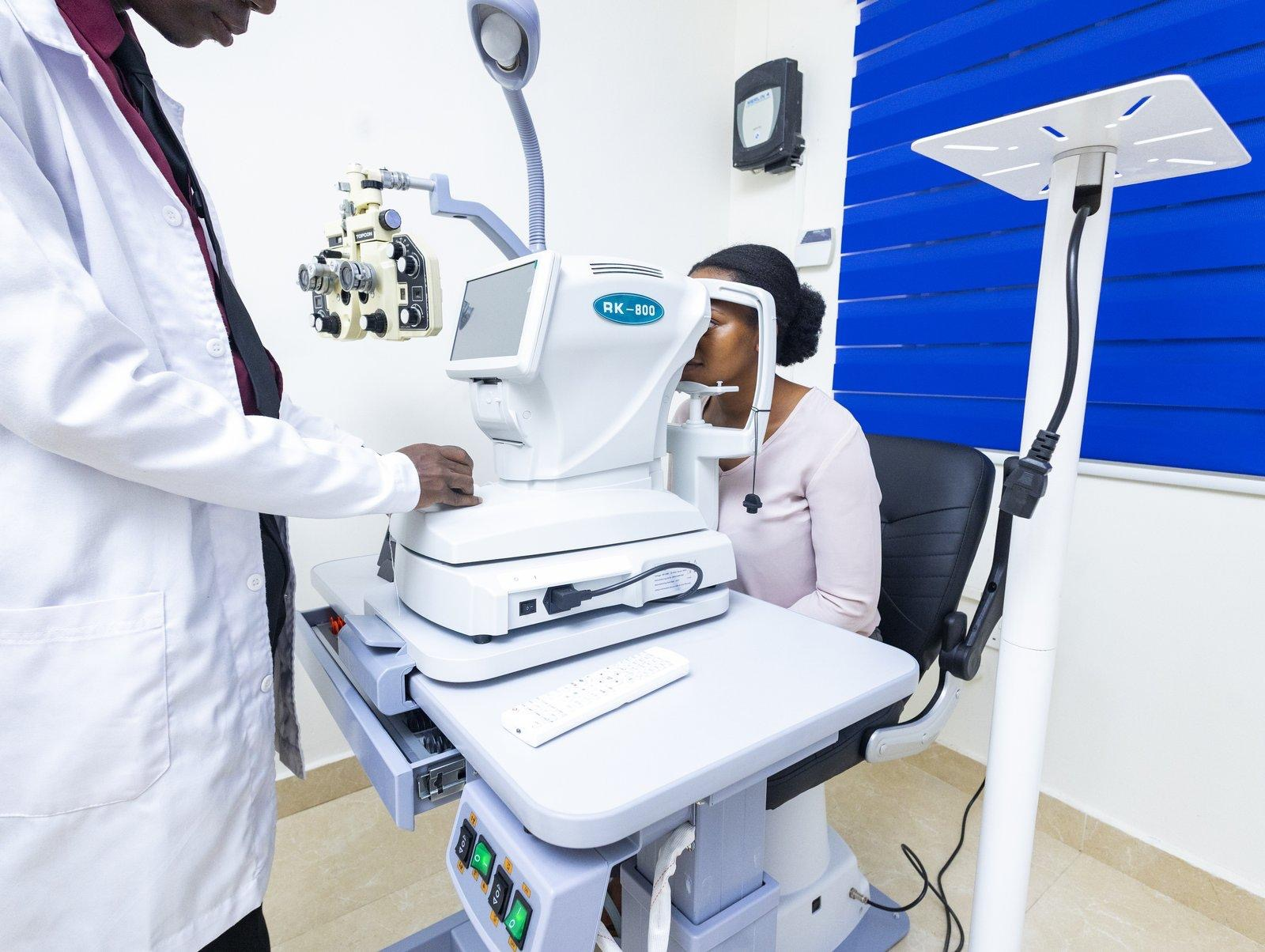
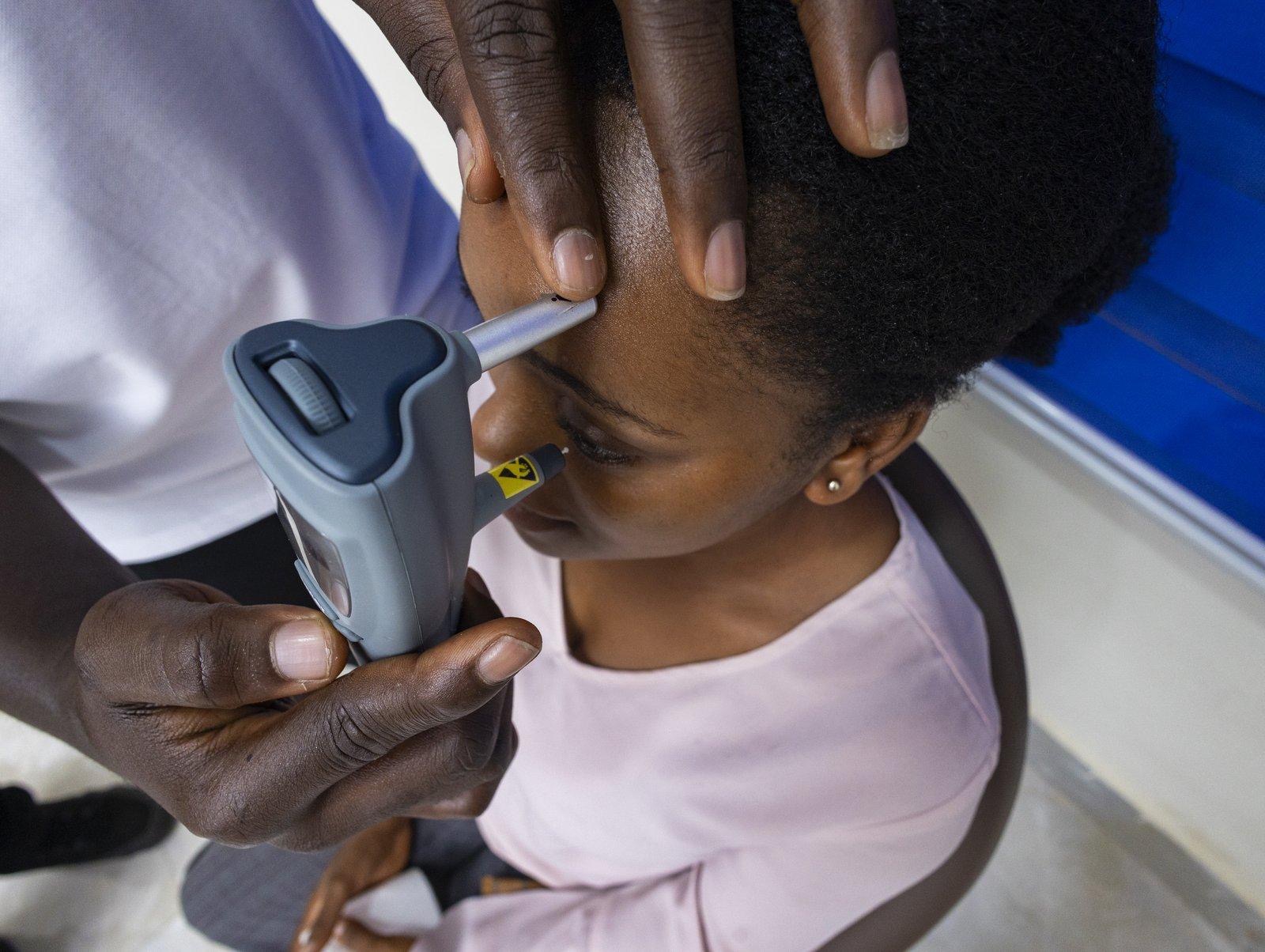
When you visit St Thomas Eye Hospital for persistent or concerning itchy eyes, our experienced eye care professionals will conduct a thorough examination to accurately diagnose the cause and recommend the most effective treatment.
Our approach is comprehensive and patient-focused. Your assessment will typically involve:
- Detailed History: We will ask about your symptoms, their duration, any known triggers, your medical history, and current medications.
- Visual Acuity Test: To check your overall vision.
- External Eye Examination: To look for signs of inflammation, redness, swelling, or discharge around the eyelids and lashes.
- Slit Lamp Examination: This uses a special microscope to get a magnified view of the front and inside of your eye, allowing us to examine the conjunctiva, cornea, and other structures for abnormalities.
- Tear Film Evaluation: Tests like the Schirmer test or tear break-up time (TBUT) may be performed to assess the quality and quantity of your tears, especially if dry eye is suspected.
- Allergy Testing (if indicated): In some cases, we may recommend specific tests to identify environmental allergens.
Based on these findings, our specialists will provide a precise diagnosis and a personalized treatment plan tailored to your specific needs.
Practical Prevention Tips for Everyday Life
Preventing itchy eyes often involves identifying and minimizing exposure to triggers. Here are some practical tips you can incorporate into your daily routine:
- Identify and Avoid Triggers: If you know what causes your allergies, try to limit your exposure. This might mean staying indoors on high pollen days, using air purifiers, or keeping windows closed.
- Maintain Good Hygiene: Wash your hands frequently, especially before touching your face or eyes. Avoid sharing towels, makeup, or eye drops.
- Clean Your Environment: Regularly clean your home to reduce dust mites and pet dander. Wash bedding in hot water.
- Wear Protective Eyewear: When outdoors in dusty or windy conditions, or when engaging in activities that might expose your eyes to irritants (like gardening), wear sunglasses or protective glasses.
- Manage Screen Time: Take regular breaks when using computers or digital devices to prevent eye strain and dryness. Follow the 20-20-20 rule: every 20 minutes, look at something 20 feet away for 20 seconds.
- Stay Hydrated: Drinking enough water can help maintain overall body hydration, including tear production.
Frequently Asked Questions (FAQs) About Itchy Eyes
Here are answers to some common questions patients ask about itchy eyes:
Q1: Can wearing contact lenses cause itchy eyes?
Yes, contact lenses can sometimes cause or worsen itchy eyes, especially if they are not cleaned properly, worn for too long, or if you have an allergy to the lens material or solution. Always follow your eye care professional’s advice on contact lens care.
Q2: Is it normal for my eyes to itch after crying?
Itching after crying can be normal due to the irritation from tears or rubbing. However, if it persists or is severe, it could indicate an underlying issue.
Q3: Can diet affect itchy eyes?
While not a direct cause, a balanced diet rich in Omega-3 fatty acids (found in fish, flaxseed) can support overall eye health and tear production, potentially helping with dry eye symptoms.
Q4: How long do itchy eyes usually last?
The duration depends on the cause. Allergy-related itching might last as long as you’re exposed to the allergen. Itching from a mild irritant might resolve quickly. If itching persists for more than a few days, it’s best to consult an eye doctor.
Q5: Can makeup cause itchy eyes?
Yes, certain makeup products, especially old or contaminated ones, or those containing allergens, can cause itchy eyes. Always replace eye makeup regularly and avoid sharing.
Q6: What is the difference between eye drops for allergies and eye drops for dry eyes? Eye drops for allergies often contain antihistamines to block the allergic reaction, while eye drops for dry eyes (artificial tears) primarily provide lubrication and moisture. Using the wrong type might not be effective.
Q7: Is it possible to have itchy eyes without redness?
Yes, it’s possible. Mild itching, especially from dry eyes or very early stages of an allergic reaction, might occur without noticeable redness. However, persistent itching usually leads to some degree of redness.
When to Seek Professional Eye Care at St Thomas Eye Hospital
While many cases of itchy eyes are minor and resolve with simple care, your vision is too precious to take chances.
If your itchy eyes are persistent, severe, accompanied by pain, vision changes, or discharge, or if you are unsure about the cause, it is always best to consult with an eye care professional.
At St Thomas Eye Hospital, our dedicated team is here to provide expert diagnosis and personalized treatment to ensure the health and comfort of your eyes. Don’t let itchy eyes disrupt your life – reach out to us for compassionate and comprehensive eye care.
Contact St Thomas Eye Hospital today to schedule an appointment and let us help you find lasting relief.

Dr. Michael E. Gyasi is the Medical Director and founder of St. Thomas Eye Hospital — a multi-branch specialist facility that introduced phacoemulsification cataract surgery and micro-incisional vitrectomy surgery to Ghana. Under his leadership, the hospital has delivered over 10,000 free sight restoration surgeries and screened more than 200,000 people for eye disease across the country.