QUICK ANSWER Botox is a brand of botulinum toxin type A, a prescription medicine that temporarily reduces the activity of selected...
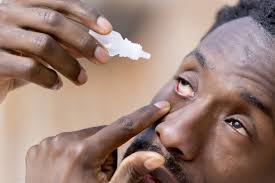
Dry Eyes? Here’s How to Find Lasting Relief
Dry eye disease is a common condition that occurs when your eyes do not produce enough tears, or when the tears evaporate too quickly. This can lead to discomfort, irritation, and sometimes even vision problems.
Our tears are essential for keeping our eyes healthy and comfortable. They lubricate the eye surface, wash away foreign particles, and contain enzymes that protect against infection.
When this delicate balance is disrupted, dry eye symptoms can emerge, impacting daily life and overall well-being. Here’s what you need to know about dry eyes and how to find lasting relief.
Dry Eye: Causes and Common Symptoms
Dry eye is a common condition that affects the surface of the eye. It happens when your tears are not able to properly keep your eyes moist and comfortable.
This can occur because your tear film becomes unstable, too salty, or inflamed. Over time, this may irritate or damage the surface of the eye and even affect how the eye’s nerves function.
In simple terms, dry eye develops when your eyes cannot maintain the healthy tear balance they need to stay clear, smooth, and comfortable.
What Causes Dry Eyes?
Several factors can contribute to the development of dry eyes. These causes can often be categorized into two main types: decreased tear production and increased tear evaporation.
Decreased Tear Production (Aqueous-Deficient Dry Eye):
- Aging: Tear production naturally diminishes with age, particularly after 50.
- Medical Conditions: Certain systemic diseases, such as Sjögren’s syndrome, rheumatoid arthritis, and lupus, can significantly reduce tear production.
- Medications: Antihistamines, decongestants, antidepressants, and some blood pressure medications can have dry eyes as a side effect.
- Nerve Damage: Damage to the nerves that stimulate tear production can also lead to insufficient tears.
Increased Tear Evaporation:
- Environmental Factors: Exposure to wind, smoke, dry climates, and air conditioning can accelerate tear evaporation.
- Screen Time: Prolonged use of computers, smartphones, and other digital devices often leads to reduced blinking, increasing tear evaporation.
- Blepharitis: Inflammation of the eyelids can block the oil glands (Meibomian glands) that produce the oily layer of tears, which prevents evaporation.
- Allergies: Ocular allergies can cause inflammation and contribute to dry eye symptoms.
- Contact Lens Use: Wearing contact lenses can sometimes intensify dry eye symptoms.
Common Symptoms of Dry Eyes
Recognizing the symptoms of dry eye is the first step toward finding relief. Symptoms can vary in severity and may include:
- A stinging, burning, or scratchy sensation in your eyes.
- A feeling of something in your eye (foreign body sensation).
- Redness of the eyes.
- Sensitivity to light (photophobia).
- Watery eyes (paradoxically, as the eyes try to compensate for dryness).
- Blurred vision or eye fatigue.
- Difficulty wearing contact lenses.
- Discomfort when reading or using a computer.

Practical Lifestyle Adjustments and Safe Home Remedies
Many people can find significant relief from dry eye symptoms by making simple changes to their daily routines and incorporating safe home remedies. These strategies focus on improving tear quality, reducing evaporation, and protecting the eyes from irritants.
Lifestyle Adjustments to Help Relieve Dry Eyes
- Take Regular Screen Breaks: Follow the 20-20-20 rule: every 20 minutes, look at something 20 feet away for at least 20 seconds. This helps you blink more frequently and reduces eye strain.
- Increase Humidity: Use a humidifier in your home or office, especially during dry seasons or if you use air conditioning/heating frequently.
- Stay Hydrated: Drink plenty of water throughout the day to support overall bodily hydration, including tear production.
- Protect Your Eyes: Wear wraparound sunglasses outdoors to shield your eyes from wind and sun, which can accelerate tear evaporation.
- Avoid Direct Airflow: Position yourself away from direct blasts of air from fans, air conditioners, or car heaters.
- Quit Smoking: Smoking is a significant risk factor for dry eye and can worsen symptoms.
Safe Home Remedies for Dry Eye Relief
- Warm Compresses: Applying a warm, moist compress to your closed eyelids for 5-10 minutes can help loosen clogged oil glands, improving the quality of your tears. This is a gentle and effective way to find relief.
- Eyelid Hygiene: Gently clean your eyelids daily with a mild cleanser (like baby shampoo diluted with water) or specialized eyelid wipes. This can help remove debris and reduce inflammation.
- Omega-3 Fatty Acids: Incorporating foods rich in omega-3 fatty acids (e.g., salmon, flaxseed) or taking supplements may help improve the oil film of your tears.

Medical Treatments and Eye Drops for Dry Eyes
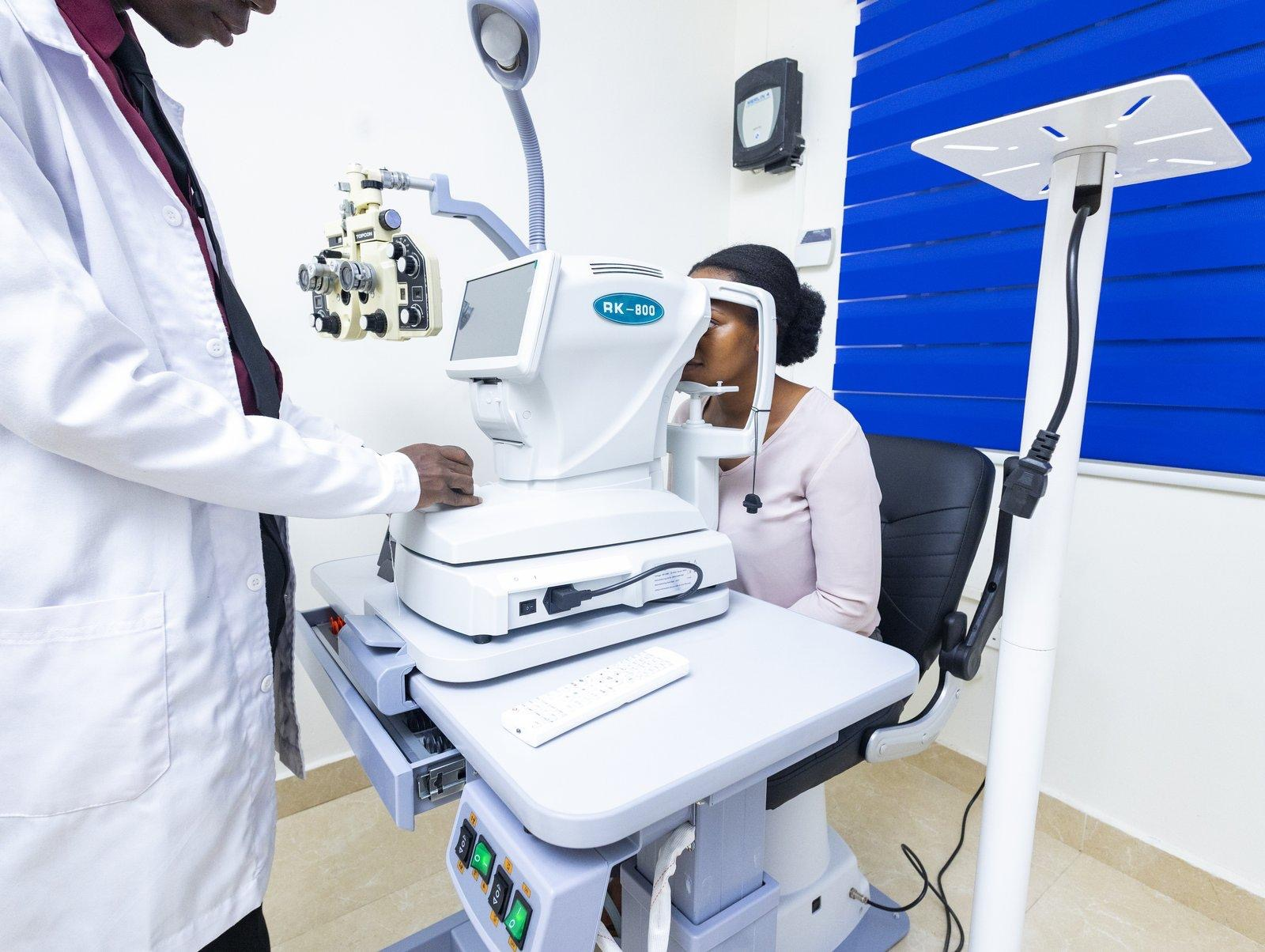
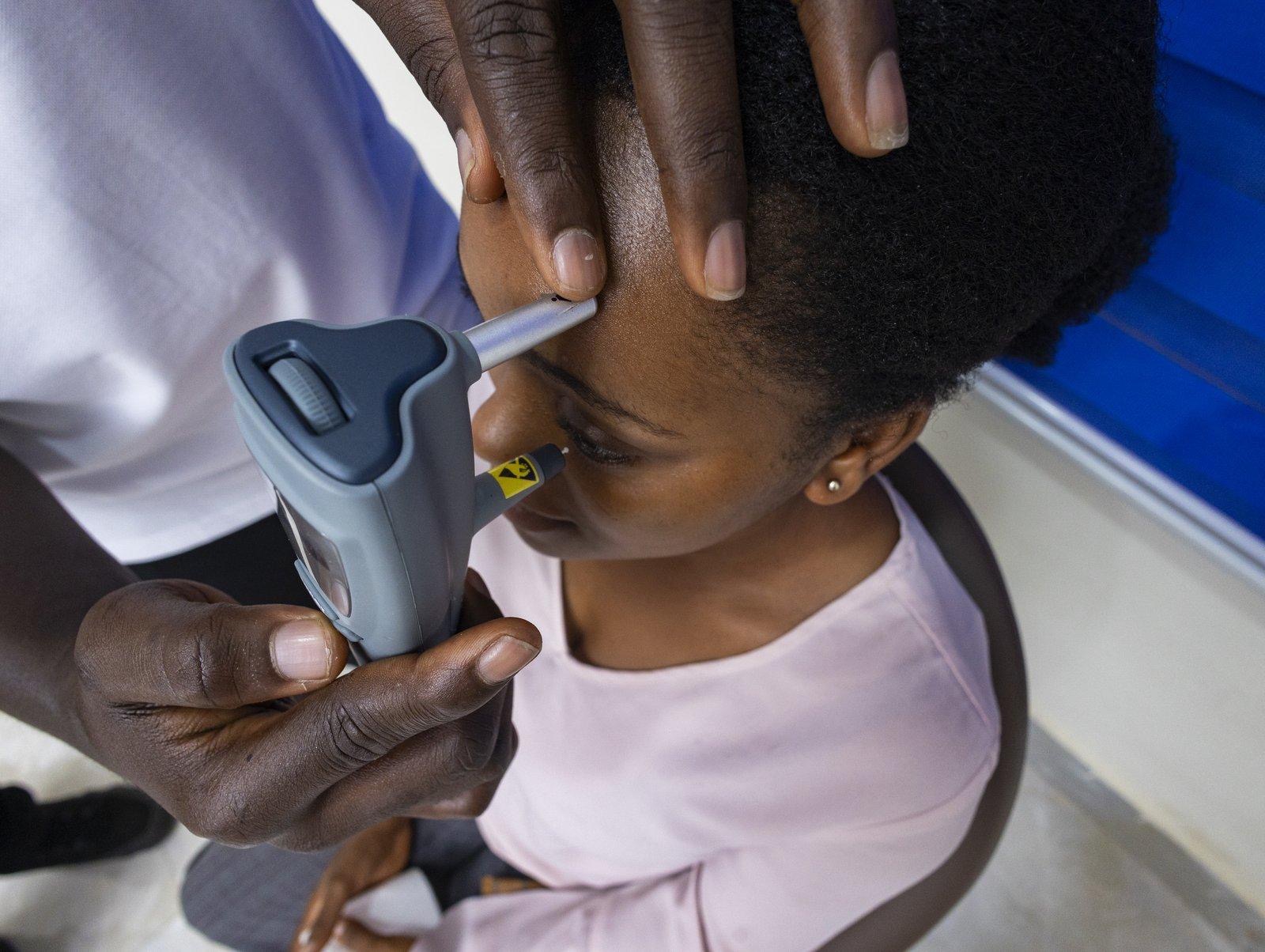
When lifestyle adjustments and home remedies are not enough, various medical treatments and specialized eye drops can provide further relief. Your eye care professional at St Thomas Eye Hospital can recommend the most suitable options based on the severity and underlying cause of your dry eyes.
Over-the-Counter (OTC) Eye Drops
- Artificial Tears: These are the most common initial treatment. They supplement your natural tears and come in various formulations (preservative-free options are recommended for frequent use).
- Lubricating Eye Gels and Ointments: Thicker than artificial tears, these provide longer-lasting relief, especially at night, but can temporarily blur vision.
Prescription Eye Drops
For more persistent or severe dry eyes, your doctor might prescribe:
- Anti-inflammatory Drops: Cyclosporine (Restasis, Cequa) or lifitegrast (Xiidra) help reduce inflammation on the eye surface, allowing your eyes to produce more natural tears.
- Corticosteroid Eye Drops: These are used for short-term relief of severe inflammation due to their potential side effects with long-term use.
Other Medical Treatments
- Punctal Plugs: Tiny, biocompatible devices inserted into the tear ducts to block drainage, keeping tears on the eye surface longer.
- Meibomian Gland Expression: A procedure to clear blockages in the oil glands of the eyelids.
- Thermal Pulsation Systems: Devices that apply heat and pressure to clear blocked Meibomian glands.
- Amniotic Membrane Grafts: In severe cases, these can promote healing of the ocular surface.

When Dry Eyes Require Professional Evaluation
While many cases of dry eye can be managed with home remedies and over-the-counter products, it’s important to know when to seek professional medical advice. If you experience any of the following, we recommend scheduling an appointment with an ophthalmologist at St Thomas Eye Hospital:
- Persistent or worsening symptoms despite home care.
- Severe eye pain or redness.
- Significant vision changes or blurred vision that doesn’t improve with blinking.
- Signs of infection, such as discharge or swelling.
- If you suspect an underlying medical condition is causing your dry eyes.
Early diagnosis and treatment can prevent complications and significantly improve your comfort and eye health.
Prevention Strategies and Long-Term Eye Care
Preventing dry eyes and maintaining long-term eye health involves a combination of consistent habits and proactive measures. Understanding how to relieve dry eyes often begins with preventing their onset or recurrence.
Daily Habits for Healthy Eyes
- Regular Blinking: Consciously blink more often, especially when focusing on screens or reading.
- Maintain Good Nutrition: A diet rich in vitamins A, C, E, and omega-3 fatty acids supports overall eye health.
- Avoid Eye Rubbing: Rubbing your eyes can worsen irritation and potentially damage the delicate eye surface.
- Manage Environmental Factors: Use humidifiers, avoid smoky environments, and protect your eyes from wind.
Long-Term Care and Follow-Up
For individuals with chronic dry eye, consistent follow-up with an eye care professional is essential. This allows for:
- Monitoring the effectiveness of treatments.
- Adjusting treatment plans as needed.
- Detecting and managing any potential complications.
- Staying informed about new advancements in dry eye treatment.
Patient-Friendly FAQs: How to Relieve Dry Eyes
Here are some common questions patients ask about dry eyes and their relief:
Q1: Can dry eyes lead to permanent vision loss?
While dry eyes are usually not a direct cause of permanent vision loss, severe, untreated dry eye can lead to corneal damage, which can impair vision. Timely treatment is important to prevent such complications.
Q2: Are all artificial tears the same?
No, artificial tears vary in their ingredients, viscosity, and whether they contain preservatives. Your eye doctor can help you choose the best type for your specific needs. Preservative-free options are generally recommended for frequent use.
Q3: How often should I use artificial tears?
The frequency depends on the severity of your symptoms and the type of artificial tears. Some people use them a few times a day, while others may need them every hour. Always follow your doctor’s recommendations or the product instructions.
Q4: Can diet affect dry eyes?
Yes, a diet rich in omega-3 fatty acids (found in fish, flaxseed) and certain vitamins (A, C, E) can support tear film health and reduce inflammation, potentially improving dry eye symptoms.
Q5: Is it safe to use eye drops for redness relief if I have dry eyes?
Eye drops designed solely for redness relief often contain vasoconstrictors that can actually worsen dry eye symptoms over time. It’s best to use lubricating artificial tears specifically formulated for dry eyes.
Q6: How can I tell if my dry eyes are severe enough to see a doctor?
If your symptoms are persistent, severe, interfere with your daily activities, or if you experience significant pain, redness, or vision changes, it’s time to consult an eye care professional. They can accurately diagnose the cause and recommend appropriate treatment.
Schedule Your Consultation at St Thomas Eye Hospital
If you are experiencing symptoms of dry eyes and are seeking effective solutions, the expert team at St Thomas Eye Hospital is here to help.
We offer comprehensive evaluations and personalized treatment plans to help you find lasting relief and improve your eye comfort.
Don’t let dry eyes diminish your quality of life. Contact us today to schedule a consultation and learn more about how to relieve dry eyes with our specialized care.
Disclaimer: This article is for informational purposes only and does not constitute medical advice. Always consult with a qualified healthcare professional for diagnosis and treatment of any medical condition.

Dr. Michael E. Gyasi is the Medical Director and founder of St. Thomas Eye Hospital — a multi-branch specialist facility that introduced phacoemulsification cataract surgery and micro-incisional vitrectomy surgery to Ghana. Under his leadership, the hospital has delivered over 10,000 free sight restoration surgeries and screened more than 200,000 people for eye disease across the country.