QUICK ANSWER Botox is a brand of botulinum toxin type A, a prescription medicine that temporarily reduces the activity of selected...
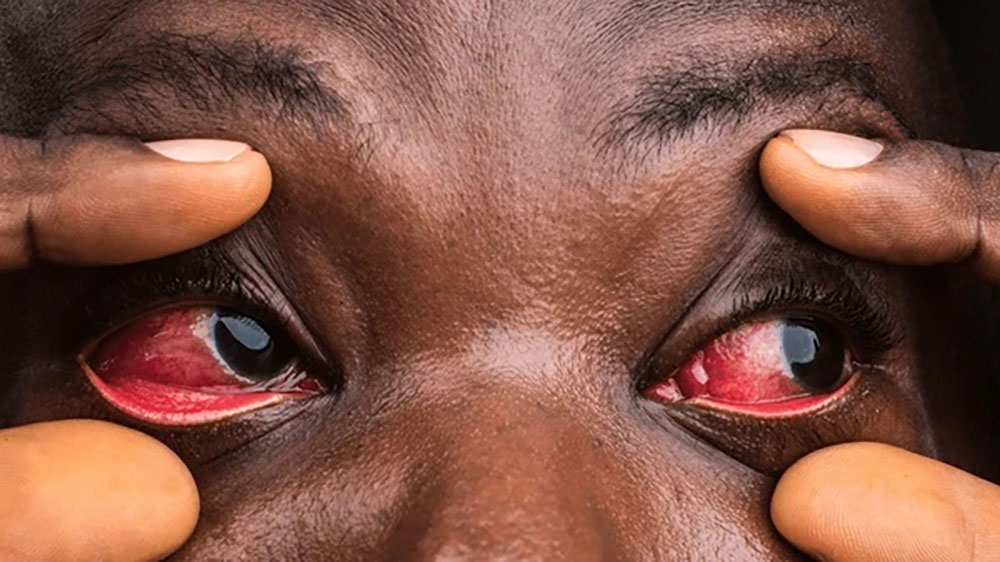
What Causes Red Eyes? 7 Common Reasons (And How St Thomas Eye Hospital Can Help)
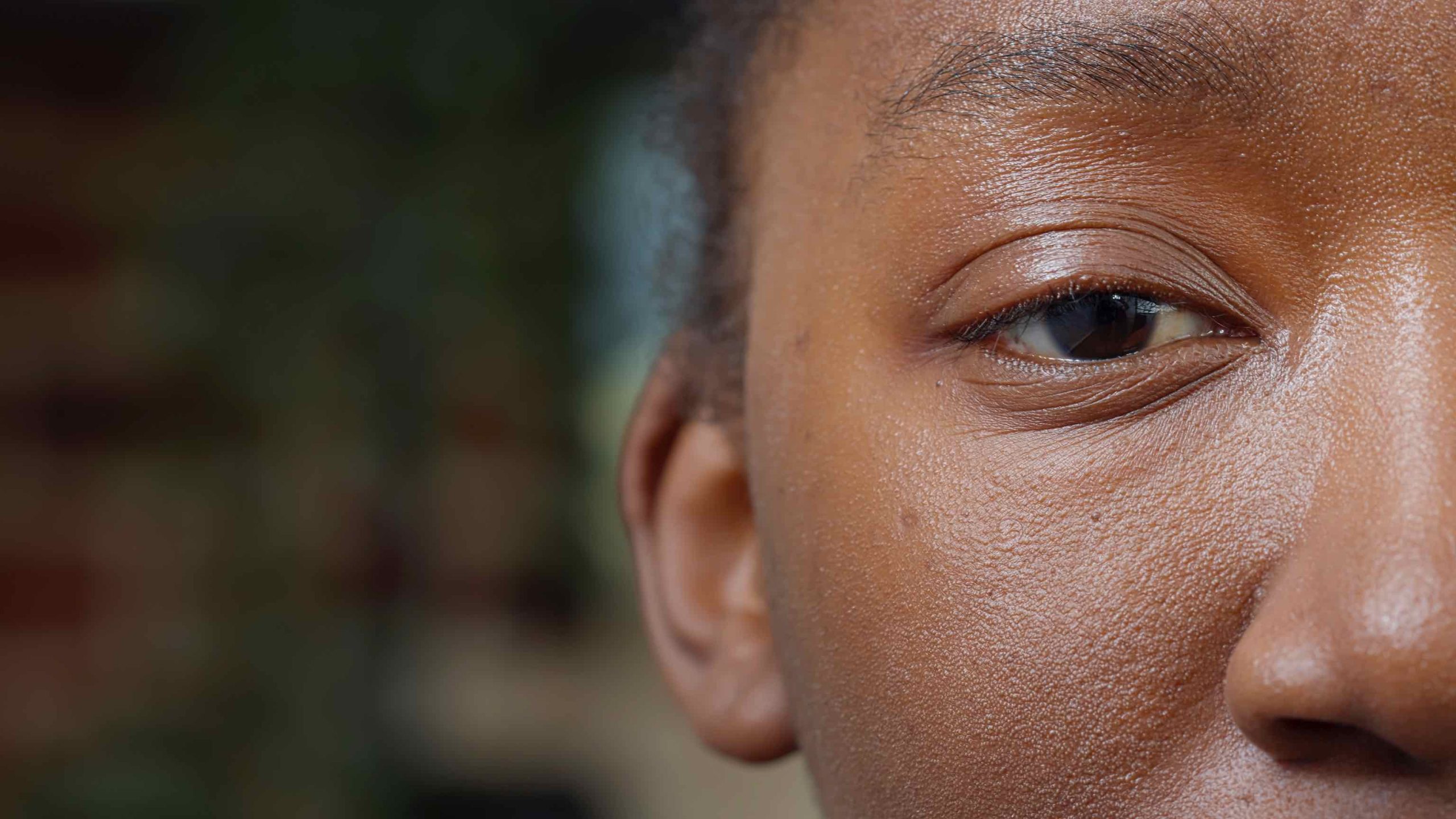
Ever woken up to find your eyes looking red and irritated, leaving you to wonder, what causes red eyes? It’s a common and often unsettling experience.
While frequently harmless, red eyes can sometimes be a sign of an underlying issue that needs attention. At St Thomas Eye Hospital, we believe in empowering our patients with clear, reassuring information.
Here’s a list of the most common culprits behind red eyes, along with what you can do and when to seek professional help.
Top 7 Reasons Your Eyes Might Be Red:
1. Allergies: The Itchy, Watery Culprit
One of the most frequent reasons for red eyes is allergies. When your eyes encounter allergens like pollen, dust, or pet dander, your body releases histamine.
This chemical causes the tiny blood vessels in your eyes to dilate, leading to redness, itching, and often excessive watering. It’s your body’s way of trying to flush out the irritant.
2. Infections: The Contagious Kind
Eye infections are a significant cause of redness and can be highly contagious. The most well-known is conjunctivitis, commonly called “pink eye,” which can be caused by viruses or bacteria.
Other infections include blepharitis (eyelid inflammation) and keratitis (corneal infection). These often come with discharge, pain, and sensitivity to light.
3. Trauma & Injury: When Something Gets In Your Eye
Any physical trauma or injury to the eye can quickly lead to redness. This could be a minor corneal abrasion (a scratch on the eye’s surface), a foreign object like a speck of dust, or even a chemical splash.
Even seemingly small injuries can cause noticeable irritation and redness as your eye tries to heal.

4. Dry Eye Syndrome: Lack of Lubrication
If your eyes don’t produce enough quality tears to stay lubricated, you might be experiencing dry eye syndrome.
This common condition can lead to chronic redness, a gritty sensation, burning, and discomfort. Factors like age, environmental conditions, and certain medications can contribute to dry eyes.
5. Digital Eye Strain: The Screen Effect
As today’s digital world continues to draw us deeper by the day, prolonged use of computers, tablets, and smartphones can lead to digital eye strain.
When you stare at screens for extended periods, you tend to blink less, which can dry out your eyes and cause them to become red, tired, and irritated. This is a growing concern for many.
6. Contact Lens Issues: Improper Use
Improper use or overwearing of contact lenses is a frequent cause of eye redness. Sleeping in lenses, not cleaning them properly, or wearing them past their recommended duration can lead to irritation, infection, and visible redness.
Always follow your eye care professional’s guidelines for contact lens care.
7. Environmental Irritants: Smoke, Pollution, and More
Your environment plays a big role in eye health.
Exposure to irritants like smoke, air pollution, dust, or even chlorine from swimming pools can cause your eyes to become red and uncomfortable.
These irritants can trigger an inflammatory response, leading to visible redness.
When to Seek Medical Attention for Red Eyes
While many cases of red eyes are minor, it’s crucial to know when to seek professional help. Contact St Thomas Eye Hospital or your nearest emergency room immediately if your red eyes are accompanied by any of these serious symptoms:
- Sudden vision changes or loss
- Severe eye pain
- Intense headache, fever, or nausea
- Seeing halos around lights
- Redness following a chemical splash or penetrating injury
- Inability to open your eye or extreme light sensitivity

Treatments & Remedies: Finding Relief for Red Eyes
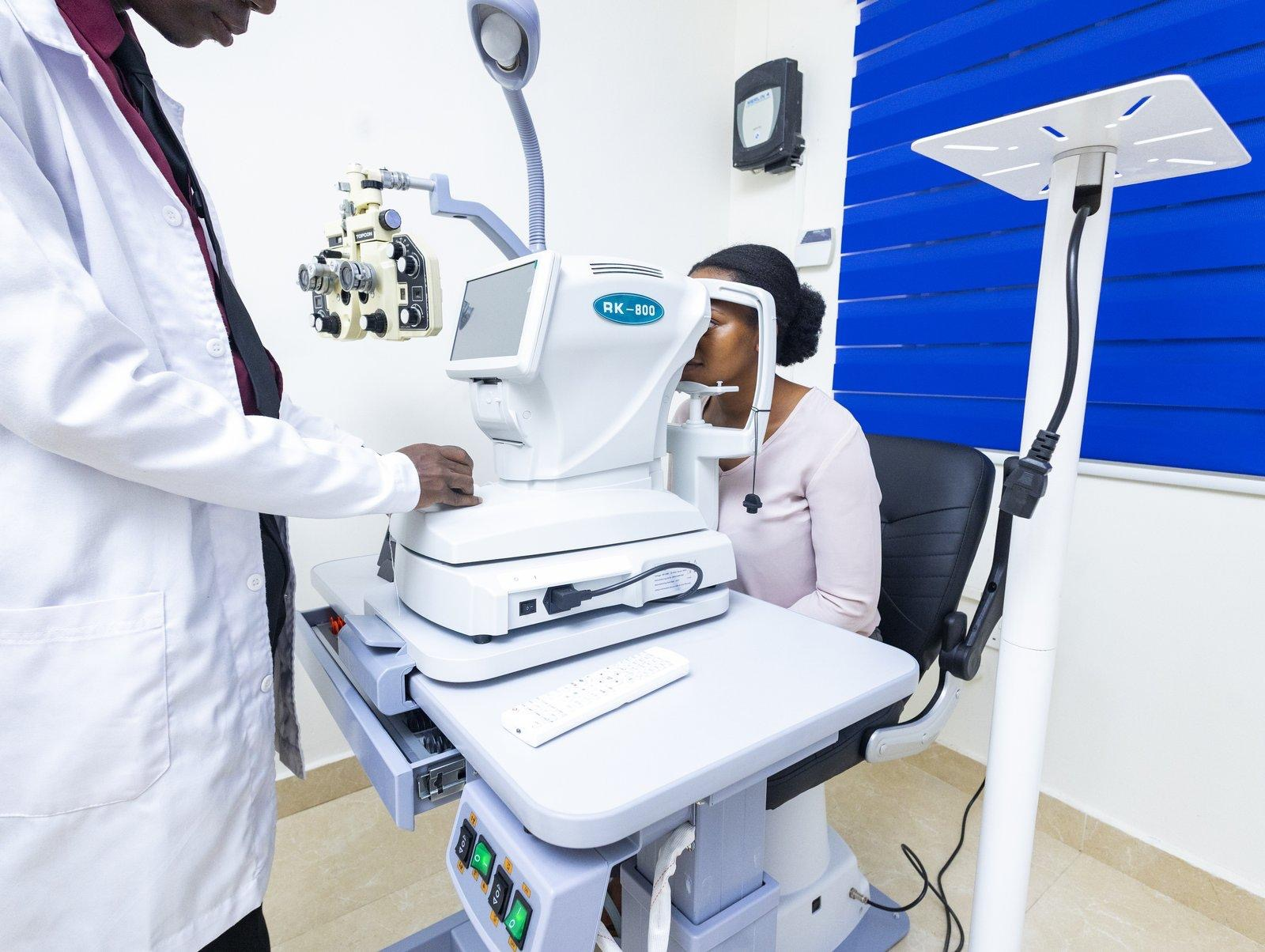
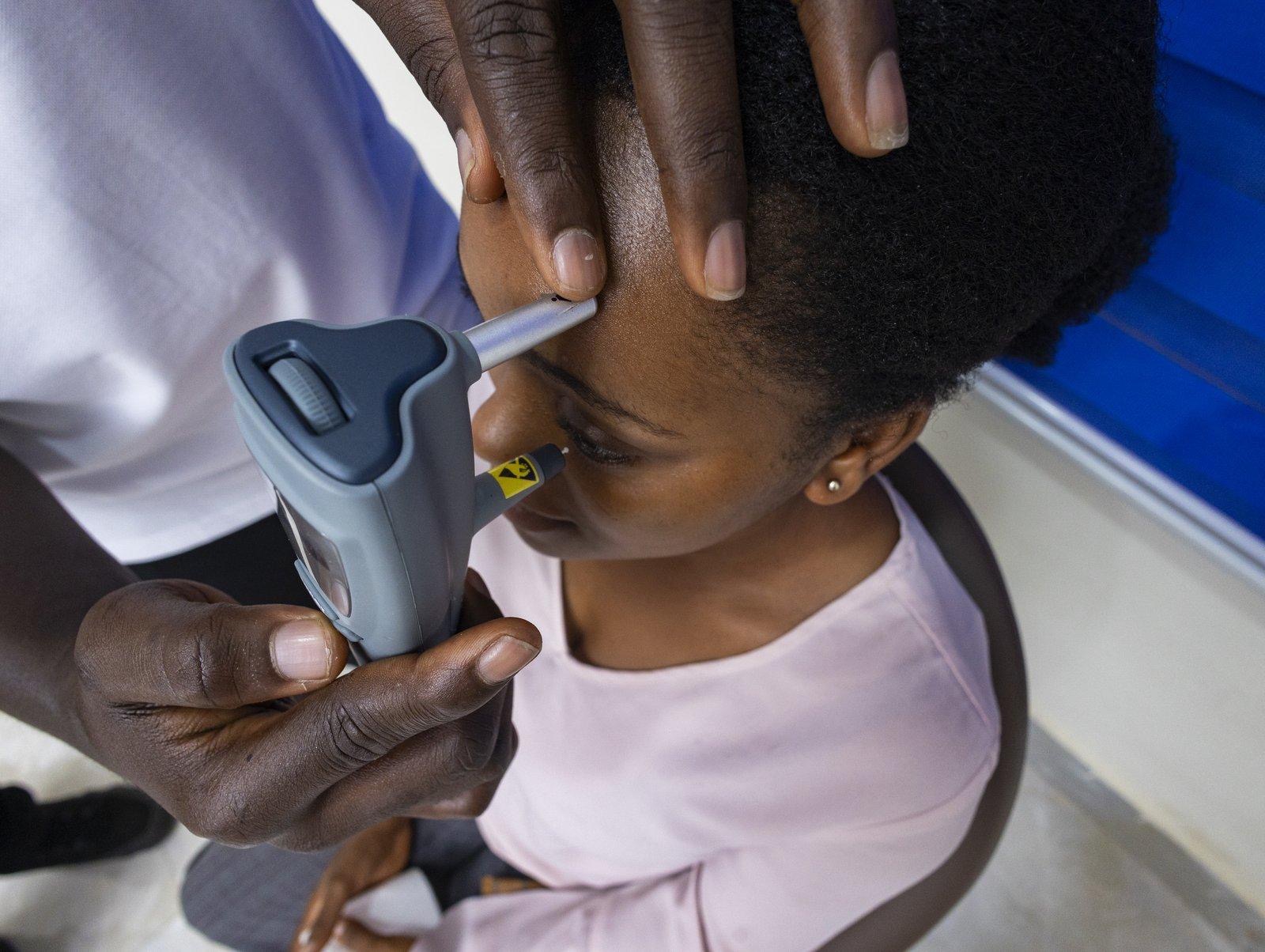
The best treatment for red eyes depends on what causes red eyes in your specific case. Our specialists at St Thomas Eye Hospital can provide an accurate diagnosis and personalized treatment plan.
At-Home Relief (For Mild Cases):
- Cool Compresses: Can reduce swelling and irritation from allergies.
- Artificial Tears: Over-the-counter lubricating eye drops help flush irritants and relieve dryness.
- Avoid Triggers: Minimize exposure to known allergens or irritants.
- Rest Your Eyes: Take breaks from screens using the 20-20-20 rule (every 20 minutes, look 20 feet away for 20 seconds).
Professional Treatments (When Needed):
- Prescription Eye Drops: Antibiotic, antiviral, or anti-inflammatory drops for infections or severe irritation.
- Oral Medications: For systemic conditions contributing to eye redness.
- Foreign Body Removal: Safe extraction of objects from the eye.
- Specialized Treatments: For underlying conditions like glaucoma or severe dry eye syndrome.
Preventing Red Eyes: Simple Habits for Healthy Vision
Preventing red eyes often comes down to adopting good eye care habits. Here’s how you can reduce your risk:
- Practice Good Hygiene: Wash your hands frequently, especially before touching your eyes.
- Avoid Touching/Rubbing Eyes: This can introduce irritants or spread infections.
- Proper Contact Lens Care: Always remove lenses before sleeping, clean them correctly, and replace them as advised.
- Use Protective Eyewear: In environments with potential irritants or hazards.
- Manage Screen Time: Follow the 20-20-20 rule diligently.
- Stay Hydrated: Adequate water intake supports overall eye moisture.
- Ensure Adequate Sleep: Rest is vital for eye health and recovery.

Your Vision, Our Priority at St Thomas Eye Hospital
Understanding what causes red eyes is a crucial step in maintaining your ocular health. While often a minor issue, persistent or severe redness, especially when accompanied by other worrying symptoms, should always be evaluated by an eye care professional.
At St Thomas Eye Hospital, our dedicated team is here to provide expert diagnosis and personalized care for all your eye concerns.
Don’t hesitate to schedule a consultation if you’re experiencing bothersome or worrying red eyes. Your vision and comfort are our utmost priority.
Disclaimer: This article is for informational purposes only and does not constitute medical advice. Always consult with a qualified healthcare professional for any health concerns or before making any decisions related to your health or treatment. St Thomas Eye Hospital does not endorse self-diagnosis or self-treatment based on the information provided herein.

Dr. Michael E. Gyasi is the Medical Director and founder of St. Thomas Eye Hospital — a multi-branch specialist facility that introduced phacoemulsification cataract surgery and micro-incisional vitrectomy surgery to Ghana. Under his leadership, the hospital has delivered over 10,000 free sight restoration surgeries and screened more than 200,000 people for eye disease across the country.