QUICK ANSWER Botox is a brand of botulinum toxin type A, a prescription medicine that temporarily reduces the activity of selected...
Dealing with a Swollen Eyelid? Here’s What Might Be Behind It
Experiencing swollen eyelids can be concerning, ranging from a minor irritation to a sign of an underlying issue. Understanding what causes swollen eyelids is key to finding relief and maintaining optimal eye health.
In this article, we get into the culprits of swollen eyelids, symptoms, and when to see an optometrist. Let’s begin with how swollen eyelids come about…
Swollen Eyelids: More Than Just Puffiness
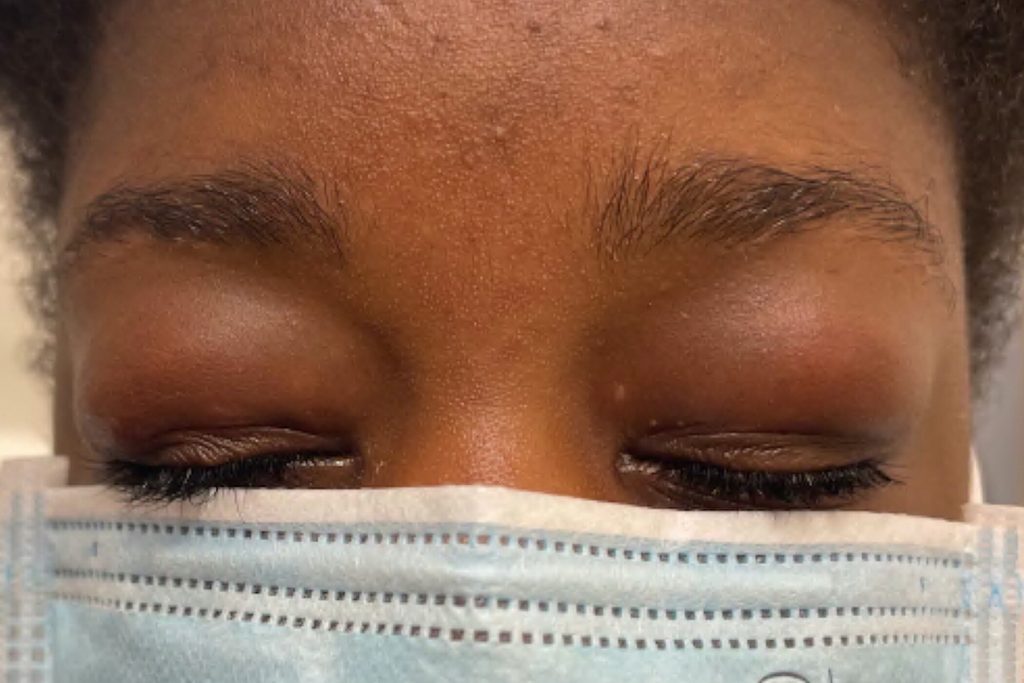
Swollen eyelids occur due to inflammation or excess fluid in the tissues around the eye. While often confused with simple puffiness from lack of sleep, a truly swollen eyelid usually indicates a more specific issue.
It can affect one or both eyes, often with redness, itching, or pain. Recognizing these signs helps determine when to seek professional eye care.

Common Symptoms: How Your Eyes Are Talking to You
When eyelids swell, various symptoms can help pinpoint the cause. These signs indicate something is amiss. Common symptoms include:
- Visible Swelling or Puffiness: The most obvious sign, which can be mild or severe, affecting one or both eyelids.
- Redness: The skin around the eye may appear red or inflamed.
- Itching or Burning Sensation: Often a hallmark of allergic reactions or certain infections.
- Watery Eyes: Excessive tearing can occur as the eye tries to flush out irritants.
- Crusting or Discharge: Particularly noticeable upon waking, suggesting an infection.
- Sensitivity to Light (Photophobia): Discomfort or pain when exposed to bright light.
- Pain or Tenderness: Indicating inflammation or infection within the eyelid or surrounding structures.
The Main Culprits: What Causes Swollen Eyelids?
Many factors cause swollen eyelids, from irritants to serious conditions. Identifying the cause is essential for effective treatment. Common reasons include:
Allergic Reactions
Allergies frequently cause swollen eyelids. Allergen exposure triggers inflammation and fluid buildup. Common allergens include pollen, dust mites, pet dander, cosmetics, and some eye drops. In Ghana, the Harmattan season, with its increased dust, often leads to allergic conjunctivitis and swollen eyelids.
Infections
Bacterial or viral infections significantly contribute to eyelid swelling, ranging from localized to widespread eye conditions.
- Styes (Hordeolum): A stye is a painful, red bump that forms on the edge of the eyelid, caused by a bacterial infection of an oil gland or hair follicle. It often looks like a pimple.
- Conjunctivitis (Pink Eye/Apollo): This is an inflammation of the conjunctiva, the clear membrane lining the inside of the eyelid and covering the white part of the eye. It can be viral or bacterial and is highly contagious. In Ghana, viral conjunctivitis is commonly referred to as “Apollo.”
- Blepharitis: A chronic inflammation of the eyelid margins, often caused by bacteria or a skin condition like rosacea. It leads to red, itchy, and swollen eyelids with flaky skin around the eyelashes.
- Orbital/Preseptal Cellulitis: These are serious bacterial infections of the eyelid and surrounding tissues. Preseptal cellulitis affects the eyelid itself, while orbital cellulitis is a deeper infection behind the eye, requiring urgent medical attention.
Inflammatory Conditions
Other inflammatory processes, beyond infections, can also cause eyelids to swell.

- Chalazion: This is a painless, firm lump on the eyelid, resulting from a blocked meibomian gland (an oil gland in the eyelid). Unlike a stye, it’s usually not painful unless it becomes infected.
- Dermatitis: Inflammation of the skin on the eyelids, often due to contact with an irritant or allergen (contact dermatitis) or an underlying skin condition like eczema.
Everyday Factors and Other Causes
Sometimes, swollen eyelids stem from simpler, non-infectious causes or systemic issues.
- Fluid Retention: Excessive salt intake, hormonal changes, or even crying can lead to temporary fluid retention and puffiness around the eyes.
- Lack of Sleep: Insufficient rest can make blood vessels under the thin eyelid skin more prominent, contributing to a swollen appearance.
- Injury or Trauma: A direct blow to the eye area can cause swelling and bruising.
- Systemic Conditions: In rare cases, swollen eyelids can be a symptom of underlying health issues such as kidney disease, heart problems, or thyroid disorders, which cause generalized fluid retention.
When Should You See an Optometrist?
While many swollen eyelids resolve with home care, certain symptoms require immediate professional attention. Knowing when to seek help from an optometrist prevents complications and ensures proper diagnosis.

Consult an eye doctor if you experience any of the following:
- Sudden or Severe Swelling: Especially if it develops rapidly or affects your vision.
- Pain in the Eye: Beyond mild discomfort, particularly if it’s sharp or throbbing.
- Changes in Vision: Such as blurriness, double vision, or loss of vision.
- Inability to Move the Eye Normally: Difficulty looking in different directions.
- Fever or Chills: These can indicate a more serious infection.
- Bulging of the Eye: A sign that the infection might be spreading behind the eye.
- Swelling that Worsens or Doesn’t Improve: If symptoms persist for more than 24-48 hours despite home care.
- Presence of a Foreign Body Sensation: Feeling like something is stuck in your eye.
What to Expect During Your Visit to Our Clinic
When you visit St Thomas Eye Hospital for swollen eyelids, our team ensures thorough, reassuring care. Here’s what to expect:
- Comprehensive History: We will start by asking about your symptoms, their duration, any associated pain, your medical history, and recent activities or exposures.
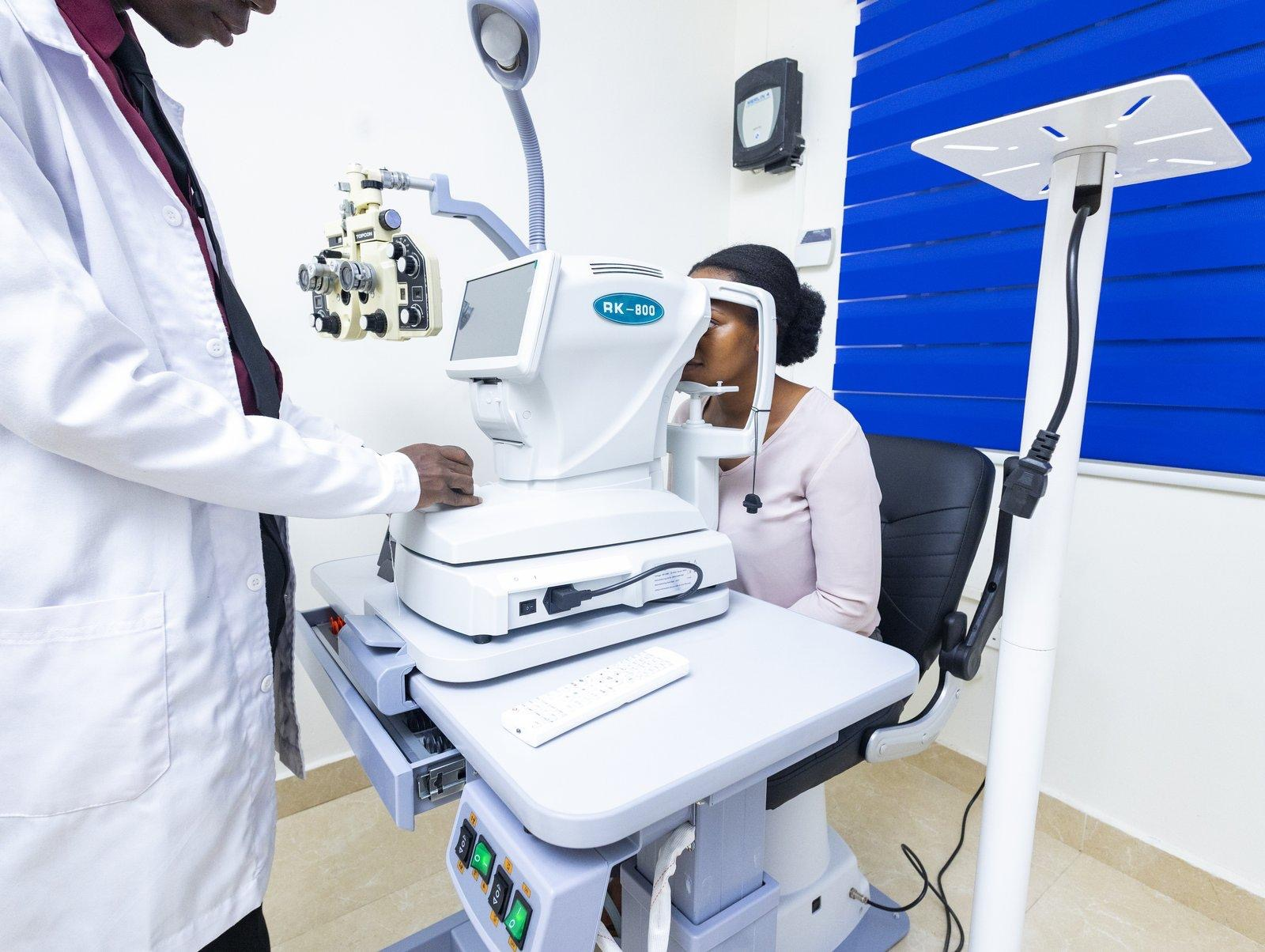
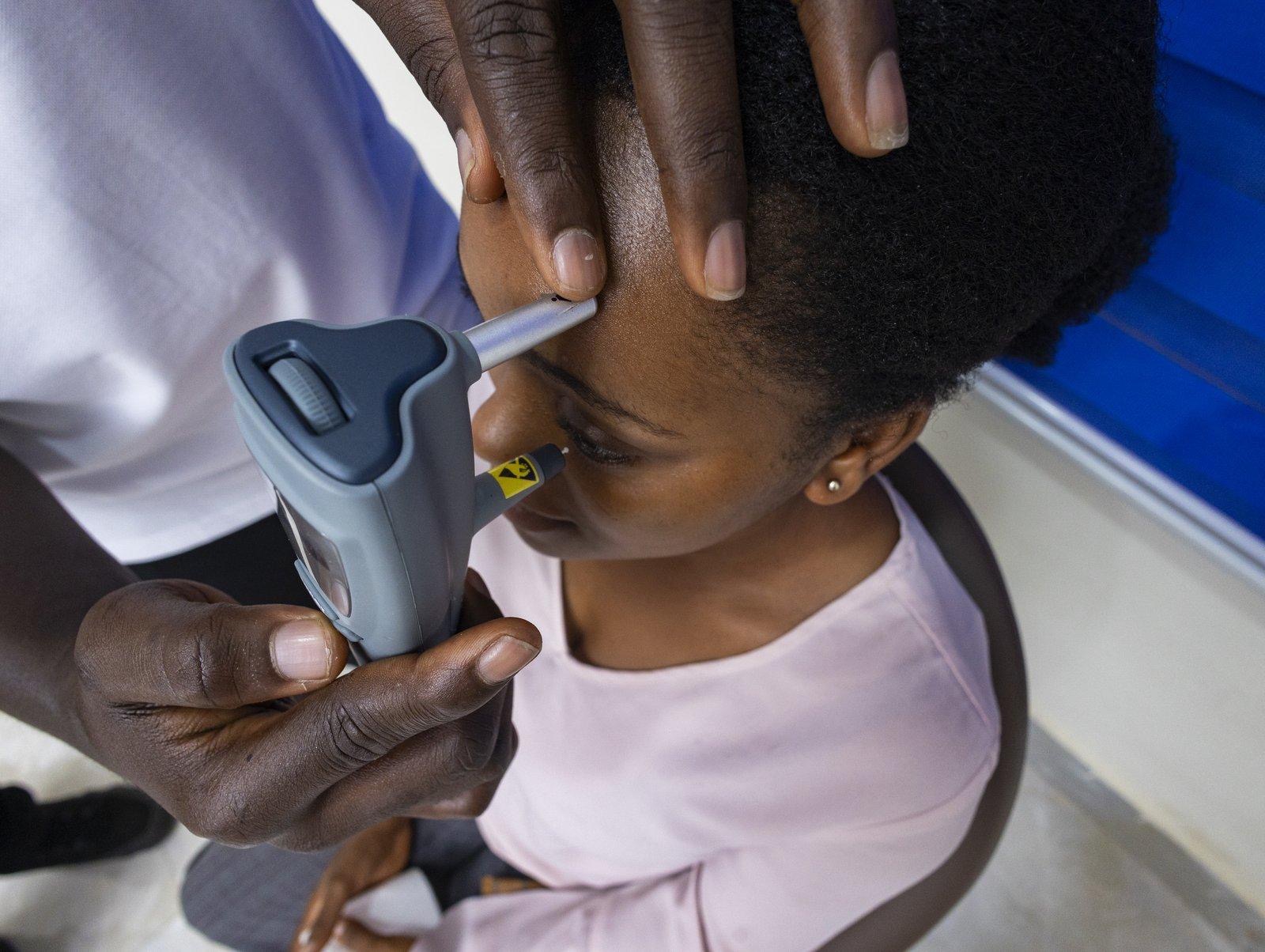
- Detailed Eye Examination: Our specialists will conduct a careful examination of your eyes and eyelids, often using a specialized microscope called a slit lamp to get a magnified view of the eye’s structures.
- Diagnosis: Based on the examination and your history, the doctor will diagnose the cause of your swollen eyelids.
- Personalized Treatment Plan: We will then discuss the most appropriate treatment options tailored to your specific condition.
Our goal is to provide a clear understanding of your condition and a comfortable experience, ensuring you feel informed and confident.
Professional Management and Relief Options
Treatment for swollen eyelids depends on the cause. Our specialists recommend a personalized plan, which may include:
- Warm Compresses: Often recommended for styes and chalazia to help open blocked glands and promote drainage.
- Eyelid Hygiene: For conditions like blepharitis, regular cleaning of the eyelid margins with specific solutions can be very effective.
- Medicated Eye Drops or Ointments: Antibiotic drops for bacterial infections, anti-inflammatory drops for allergies, or steroid drops for severe inflammation may be prescribed.
- Oral Medications: In cases of more severe infections (like cellulitis) or widespread allergic reactions, oral antibiotics or antihistamines might be necessary.
- Minor Procedures: For persistent chalazia or large styes that don’t respond to conservative treatment, a minor in-office procedure might be performed to drain them.
Follow your doctor’s instructions carefully. Avoid self-medicating with unprescribed eye drops or traditional remedies, which can worsen the condition or lead to complications.
Frequently Asked Questions
Q1: Can lack of sleep cause my eyelids to swell?
While lack of sleep can cause temporary puffiness around the eyes due to fluid retention, it typically doesn’t cause true inflammatory swelling. If your eyelids are significantly swollen, red, or painful, it’s likely due to another cause.
Q2: Is “Apollo” the same as swollen eyelids?
“Apollo” is the local term for acute hemorrhagic conjunctivitis, a viral infection that often causes red, watery eyes and can certainly lead to swollen eyelids as a symptom. So, while not the same, swollen eyelids can be a prominent feature of Apollo.
Q3: How can I prevent swollen eyelids?
Prevention depends on the cause. Good hygiene (avoiding touching your eyes, regular makeup removal), managing allergies, and prompt treatment of eye infections can help. If you have chronic conditions like blepharitis, consistent eyelid hygiene is key.
Q4: Should I use home remedies for swollen eyelids?
While warm compresses can be beneficial for certain conditions like styes, it’s generally best to consult an eye care professional before trying other home remedies, especially if the cause is unknown or symptoms are severe. Some remedies can irritate the eye or delay proper treatment.
Q5: Can eye makeup cause swollen eyelids?
Yes, eye makeup can be a common culprit. Allergic reactions to ingredients in makeup, using old or contaminated products, or not removing makeup properly can all lead to irritation and swollen eyelids.
Q6: How long does it take for swollen eyelids to go away?
The duration varies greatly depending on the cause. Mild allergic reactions might resolve within hours, while a stye or chalazion could take days to weeks. Serious infections will require medical treatment and may take longer to clear completely.
Q7: When is a swollen eyelid an emergency?
A swollen eyelid becomes an emergency if it’s accompanied by severe pain, sudden vision changes, inability to move your eye, bulging of the eye, or a fever. These symptoms could indicate a serious infection that needs immediate medical attention.
Take the First Step Towards Clearer Vision
Understanding what causes swollen eyelids is vital, but self-diagnosis can be misleading. If you have persistent, painful, or concerning eyelid swelling, seek professional medical advice.
Our dedicated team at St Thomas Eye Hospital provides expert diagnosis and personalized treatment. Don’t let discomfort linger; schedule a consultation today for clearer, healthier vision.

Dr. Michael E. Gyasi is the Medical Director and founder of St. Thomas Eye Hospital — a multi-branch specialist facility that introduced phacoemulsification cataract surgery and micro-incisional vitrectomy surgery to Ghana. Under his leadership, the hospital has delivered over 10,000 free sight restoration surgeries and screened more than 200,000 people for eye disease across the country.