QUICK ANSWER Botox is a brand of botulinum toxin type A, a prescription medicine that temporarily reduces the activity of selected...

What Causes Eye Twitching? A Complete Guide for Patients in Ghana
An eye twitch, medically known as eyelid myokymia, is a sudden, involuntary flutter of the eyelid. While it can be unsettling, it is almost always harmless and temporary, often signaling minor lifestyle factors.
This guide from St Thomas Eye Hospital aims to explain the causes of eye twitching, when it’s harmless, and when professional advice is needed, providing clear and reassuring information.
What Causes Eye Twitching in Most People?
Eye twitching is an involuntary spasm of the small muscles around your eyelid, similar to a minor muscle cram. These spasms are typically mild, affecting one eye at a time, usually the upper eyelid.
The most common form, eyelid myokymia, is a benign condition involving rapid, repetitive muscle fiber contractions.
Less common but more severe types include benign essential blepharospasm, which affects both eyes with forceful closure, and hemifacial spasm, which involves one side of the face. For most, occasional eye twitching is harmless myokymia.

Common Everyday Triggers
Most eye twitches stem from everyday factors that strain your body and eyes. Identifying these common triggers can help manage and prevent future episodes:
Stress: High stress levels release cortisol, a stimulant that can make eyelid muscles prone to spasms.
Fatigue: Insufficient sleep tires eye muscles, leading to irritable twitches. Adequate rest is vital.
Caffeine & Alcohol: These stimulants overexcite the nervous system, increasing muscle reactivity and potentially triggering or worsening twitching.
Digital Eye Strain: Prolonged screen use causes eye strain, dryness, and muscle fatigue, contributing to eyelid spasms due to constant focus and reduced blinking.
Dry Eyes: Insufficient tear production or rapid tear evaporation irritates the eyes, sometimes causing twitching. This is common in older adults, contact lens wearers, and heavy screen users.

When Is Eye Twitching Serious?
While most eye twitches are benign, distinguishing between a harmless flutter and symptoms requiring medical attention is crucial. Most benign twitches are mild, intermittent, and self-resolving within weeks.
However, certain characteristics may indicate an underlying issue:

Potential Underlying Issues
Rarely, persistent or severe eye twitching can signal a neurological condition like blepharospasm or hemifacial spasm.
These movement disorders differ from common eyelid myokymia, involving more forceful, prolonged contractions, sometimes affecting both eyes or spreading to other facial muscles.
Eye conditions such as blepharitis (eyelid inflammation) or corneal abrasions (scratches on the eye) can also cause irritation leading to twitching. While uncommon, these serious causes highlight the importance of professional evaluation for concerning symptoms.
Practical Ways to Reduce or Stop Eye Spasms
For most common eye twitches, simple lifestyle adjustments are highly effective:
Prioritize Sleep: Aim for 7-9 hours of quality sleep nightly with a regular schedule to reduce fatigue-related twitches.
Manage Stress: Integrate stress-reducing activities like meditation, yoga, or hobbies into your routine. Short breaks throughout the day also help.
Reduce Caffeine and Alcohol: Cut back on coffee, tea, energy drinks, and alcohol if twitches are frequent, and observe improvement.
Practice the “20-20-20” Rule: For screen users, every 20 minutes, look 20 feet away for 20 seconds to relax eye muscles and reduce digital eye strain.
Address Dry Eyes: Use over-the-counter lubricating eye drops for relief. For persistent dryness, consult a professional. Warm compresses can also soothe irritation.
Ensure Proper Nutrition: A balanced diet rich in fruits, vegetables, and whole grains supports muscle and nerve health, though magnesium deficiency as a cause is less common.
Lifestyle Habits That Can Make Twitching Worse
Certain habits can worsen eye twitching:
Overconsumption of Stimulants: Excessive use of stimulants, including some medications, can increase nerve excitability and muscle spasms. Discuss any concerns with your doctor.
Poor Sleeping Patterns: Irregular or insufficient sleep deprives your body of recovery, making eye muscles more prone to twitching.
Ignoring Vision Needs: Uncorrected or outdated vision prescriptions cause eye strain and fatigue, leading to twitching. Regular eye exams are crucial.
Prolonged Screen Time Without Breaks: Continuous digital screen use without breaks causes significant eye strain and dryness, major contributors to eyelid spasms.
Visit St Thomas Eye Hospital for Twitching
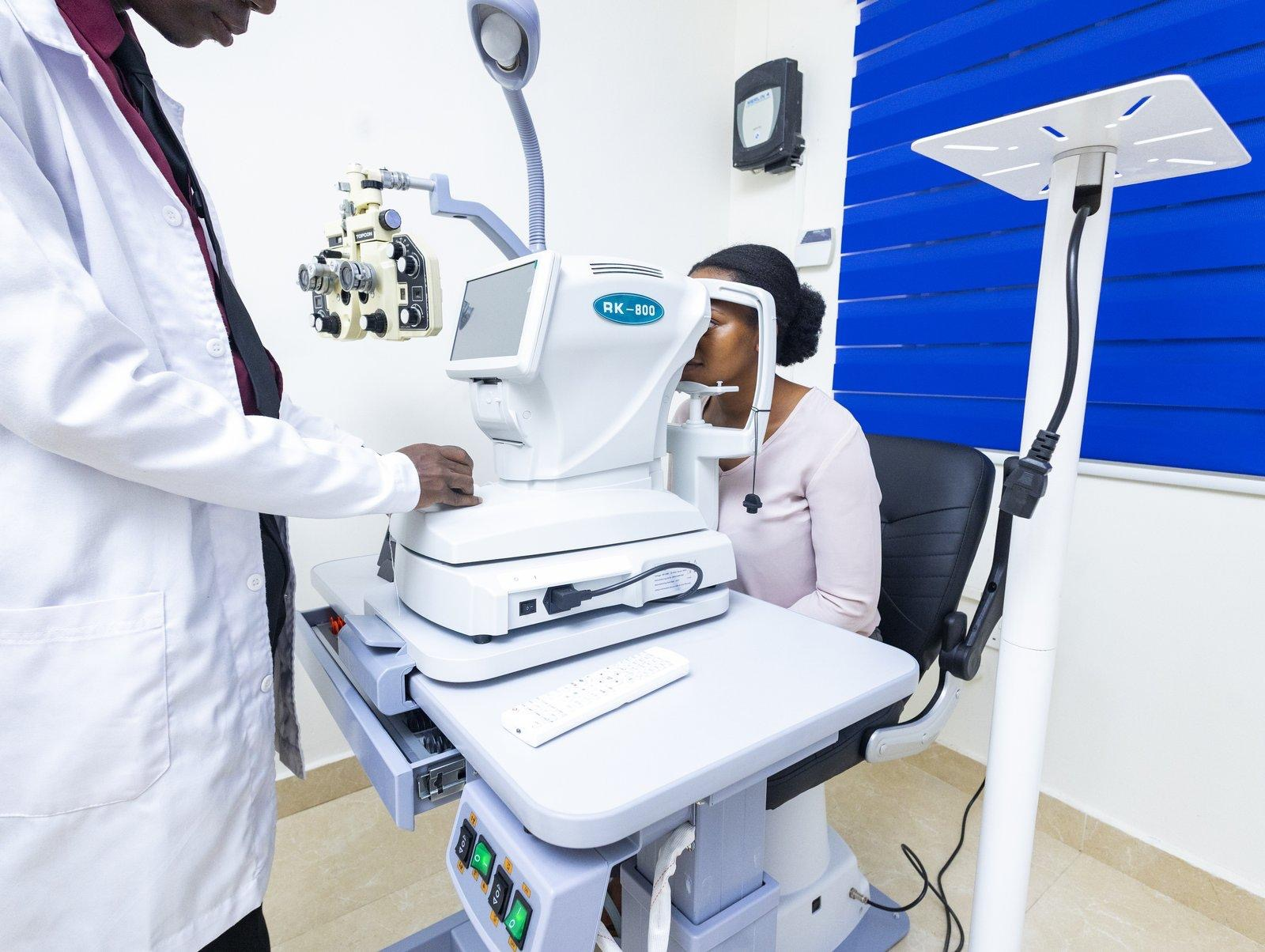
If eye twitching is persistent, severe, or accompanied by other concerning symptoms, visit St Thomas Eye Hospital. Our experienced team provides comprehensive eye care across Ghana. During a consultation, expect:
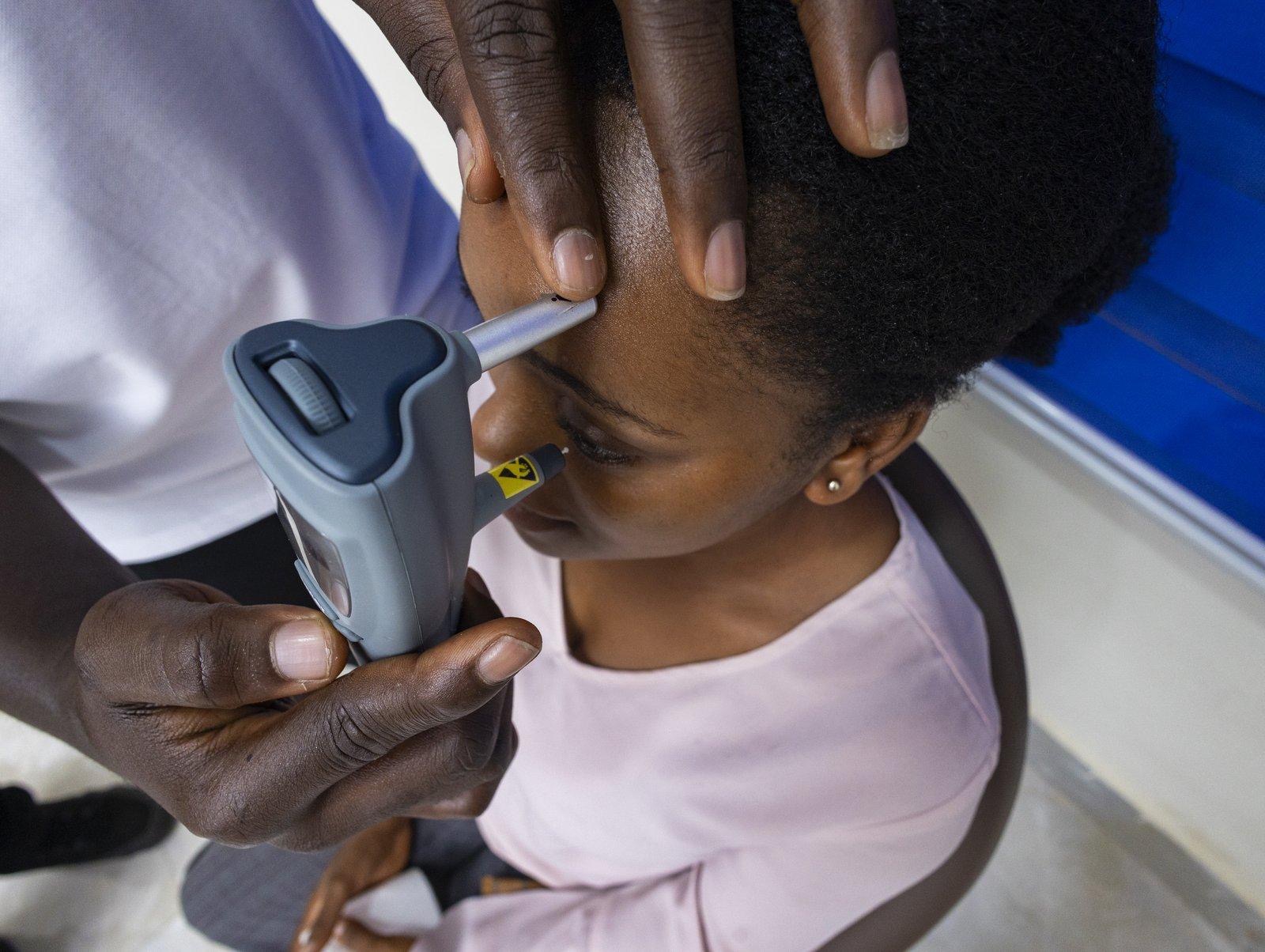
Thorough Examination: Ophthalmologists will conduct a detailed eye exam, assessing vision, eye health, and twitching nature, along with your medical history and lifestyle.
Diagnostic Tests: Simple, non-invasive tests may be performed to rule out underlying conditions and understand the cause.
Personalized Treatment Plan: If twitching is linked to a treatable condition or impacts your quality of life, specialists will discuss options, such as Botox injections for benign essential blepharospasm, tailored to your needs.

When to Seek Professional Eye Care
Trust your instincts; if worried about eye twitching, seek professional advice. Here’s when to contact St Thomas Eye Hospital:
- Persistent Twitching: Lasts over two to three weeks.
- Intense Spasms: Causes complete eyelid closure.
- Facial Involvement: Spreads to other facial areas.
- Associated Symptoms: Includes redness, swelling, discharge, or drooping eyelid.
- Vision Changes: Affects your vision.
- Pain or Discomfort: Accompanied by pain or significant discomfort.
Our expert team at St Thomas Eye Hospital, with facilities in Mataheko Flamingo and Oxford Street, Osu, is ready to assist. Do not hesitate to reach out.
Frequently Asked Questions (FAQs)
1. Can stress really make my eyes twitch? Yes, stress is a common trigger. Stress hormones can make eye muscles more prone to spasms. Managing stress often helps reduce twitches.
2. How long does a normal eye twitch last? Most common eye twitches are brief (seconds to minutes) and resolve within days or weeks. Seek medical advice if a twitch lasts over two to three weeks.
3. Does magnesium help with eye twitching? Magnesium deficiency can sometimes contribute to muscle spasms, including eye twitching, though it’s not a primary cause for most. A balanced diet rich in magnesium supports muscle health. Consult a doctor before taking supplements.
4. Is eye twitching a sign of a stroke? Eye twitching alone is rarely a stroke sign. Stroke symptoms include sudden weakness/numbness on one side, speech difficulty, confusion, or a severe headache. Seek immediate medical attention for these serious symptoms.
5. Can my phone cause my eye to twitch? Yes, prolonged digital screen use, including phones, causes digital eye strain, leading to eye fatigue and dryness, which are common eye twitching triggers. The 20-20-20 rule helps by taking regular breaks.
6. When should I book an appointment at St Thomas Eye Hospital? Book an appointment if your eye twitching is persistent (over a few weeks), severe (eyelid closes), spreads to your face, or includes redness, swelling, pain, or vision changes. Our team is ready to assist.
Conclusion
Eye twitching is usually a harmless, temporary condition linked to lifestyle. Understanding triggers and making adjustments often brings relief.
However, if concerns persist, twitching is severe, or other worrying symptoms appear, seek professional medical advice.

Dr. Michael E. Gyasi is the Medical Director and founder of St. Thomas Eye Hospital — a multi-branch specialist facility that introduced phacoemulsification cataract surgery and micro-incisional vitrectomy surgery to Ghana. Under his leadership, the hospital has delivered over 10,000 free sight restoration surgeries and screened more than 200,000 people for eye disease across the country.