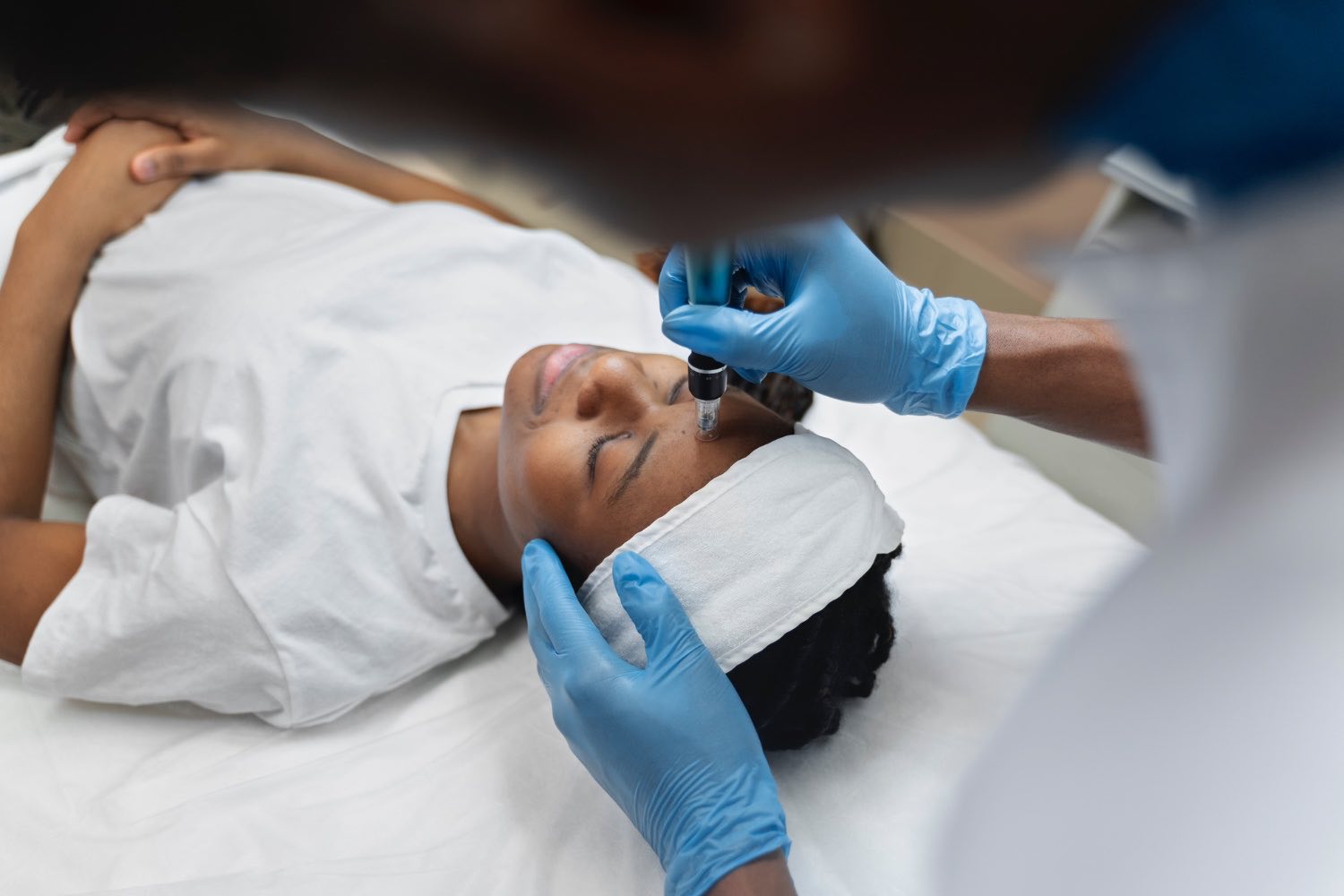
QUICK ANSWER Botox is a brand of botulinum toxin type A, a prescription medicine that temporarily reduces the activity of selected...

Eye Care in Mataheko: What Residents of Accra’s West Side Need to Know
There’s a particular kind of self-reliance that characterises life in communities like Mataheko. You know your neighbours. You know your church. You know which pharmacy to run to when someone at home isn’t feeling well. Community is the infrastructure here… and it works.
But there’s one area where that self-reliance can quietly work against you: eye health. Because unlike a fever or a cough, deteriorating vision doesn’t announce itself. It adjusts. It compensates.
And by the time most people in this part of Accra think to seek help, the condition they’re dealing with has often been progressing for years.
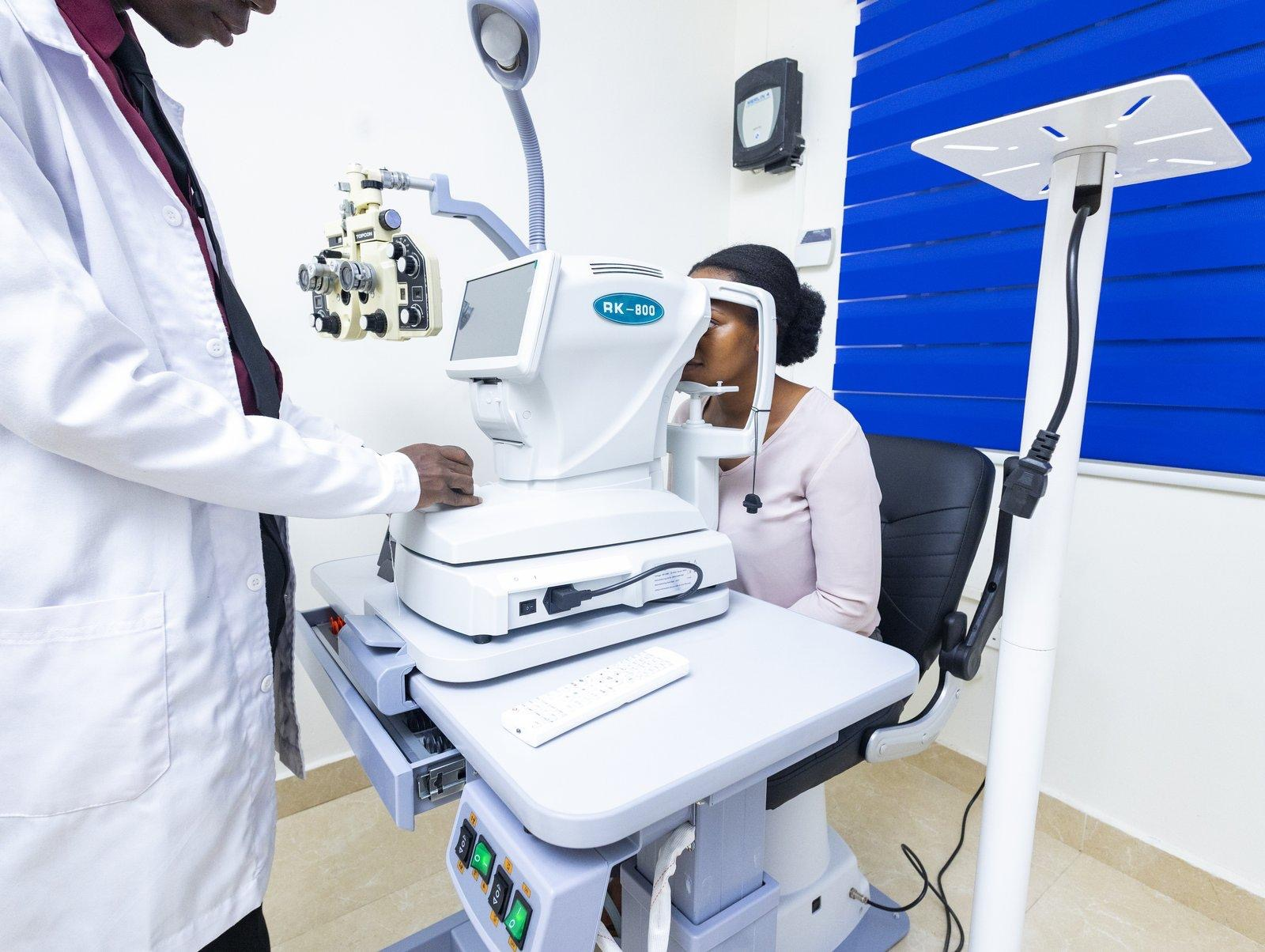
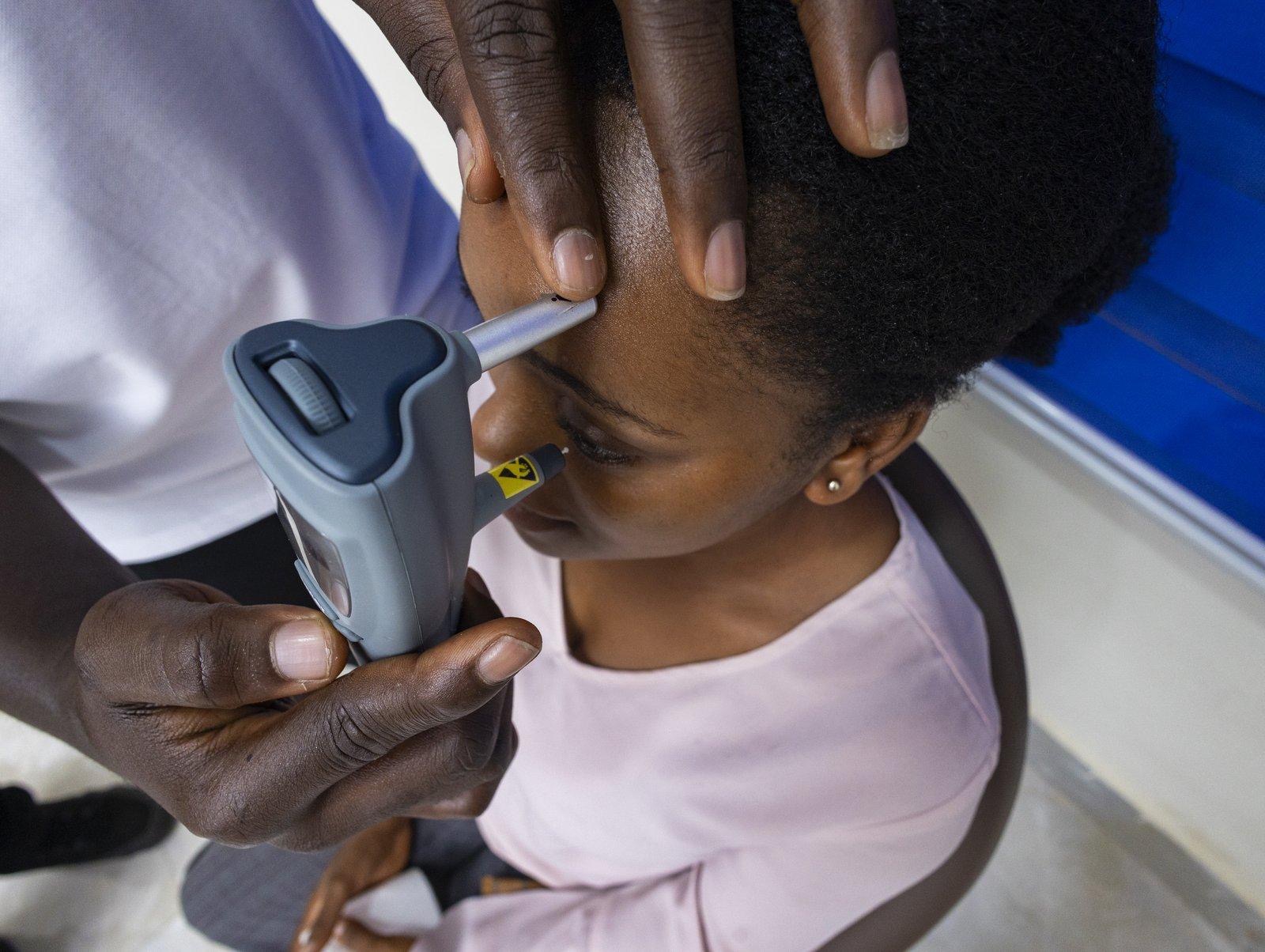
The good news — and it’s genuinely good news — is that St. Thomas Eye Hospital now has a fully operational branch right here in Mataheko. Specialist-level eye care, surgical capability, and optical services, without the cross-city commute that has kept many residents from getting the care they actually need.
Mataheko and Its Neighbours: A Community That Deserves Better Eye Access
Mataheko is a compact, well-connected community sitting at the crossroads of Dansoman, Kaneshie, Abossey Okai, and Lartebiokorshie — part of one of the most densely populated corridors on Accra’s western side.
Ablekuma Central Municipality, of which Mataheko is a part, had a population of 169,145 as of the 2021 census, with a community fabric that is predominantly residential, working-class, and deeply faith-rooted — as the dense cluster of churches visible in any direction from the St. Thomas branch makes immediately clear.
If you worship at Global Evangelical Church Calvary, attend services at Faith Evangelical Mission Worldwide Cathedral, pass through Throne of Hope Gospel Church, or have family at Resurrection Power New Generation Church nearby — you are already within a short walk of where your next eye examination should happen.
The branch sits in the same immediate neighbourhood as Goldbakes and Events and the Primecare Medical Center to the east, and Chanas Media Consult just across the way. It is the kind of location that tells you this facility was placed here deliberately — for the people who live here, not for people driving through.

Why Eye Health Is a Blind Spot in This Part of Accra
The Mataheko–Dansoman–Kaneshie corridor is home to a working population that deals with its health the way most Ghanaians do: pragmatically.
You go to the doctor when something is clearly wrong. You manage smaller things at home. You buy eyedrops from the pharmacy when your eyes are red. And when your vision starts to blur a little, you tell yourself it’s tiredness.

The problem is that this pragmatism doesn’t work for the eye conditions that cause the most irreversible harm in Ghana. Glaucoma has no symptoms in its early stages — no pain, no obvious vision change until the nerve is already significantly damaged.
Ghana ranks second globally for glaucoma prevalence, with an estimated 600,000 Ghanaians affected. The Ablekuma and Kaneshie corridor populations, like all of urban Accra, carry that risk. And because the disease is painless, most people in this corridor will never know they have it unless someone checks.
Cataracts — the leading cause of preventable blindness in Ghana — follow the same slow, tolerable pattern. The lens clouds gradually. Night driving becomes harder. Colours seem dull. Reading requires more light.
Each step is tolerated because the previous step prepared you for it. But cataracts are entirely treatable with surgery.
Research has consistently found that the main barrier to cataract treatment in Ghanaian communities is not access — it’s the attitude that the condition isn’t serious enough to act on. That attitude costs sight, quietly, every year.
“We see patients who’ve been managing blurry vision for two, three, sometimes five years before walking in. Many assumed it was stress. A few had tried glasses from the market. Almost none had been told that what they had was treatable or that waiting had made it harder to fix.”
— St. Thomas Eye Hospital clinical team
What Life in This Corridor Does to Your Eyes
The Abossey Okai effect
Abossey Okai, just adjacent to Mataheko’s corridor, hosts the largest automobile-parts market in Ghana — a dense zone of workshops, metal engineering, and vehicle repair.
Residents and workers of this entire western strip live in proximity to metal dust, grinding sparks, lubricant fumes, and exhaust on a daily basis.
These are cumulative exposures — the kind that progressively damage the corneal surface, increase susceptibility to infection, and accelerate conditions like pterygium and chronic dry eye.
Workers in these trades rarely think of themselves as having occupational eye risks. They should.
Compound house living and indoor smoke
Much of Mataheko’s housing stock consists of compound houses where cooking, often over charcoal or wood fire, happens close to living areas.
Indoor smoke exposure is one of the most underappreciated causes of chronic eye irritation, accelerated cataract development, and corneal surface damage in West African communities.
It disproportionately affects the women and children who spend the most time at home — the people least likely to connect their persistent eye redness to their environment.
The congregation demographic and presbyopia
Mataheko is unmistakably a faith community — churches on nearly every street within walking distance of the St. Thomas branch.
The congregation populations of these churches, particularly adults over 40, are precisely the demographic at highest risk for presbyopia, glaucoma, and cataracts.
If reading your Bible, hymn book, or church bulletin has become noticeably harder in the last year or two, that is your body communicating something worth acting on — not just an inevitability of age. Presbyopia and most refractive conditions are highly manageable with the right prescription.

This Is Not Just a Clinic — It Has a Surgical Theatre
This is worth stating clearly, because it changes what’s possible for residents of this community. St. Thomas Eye Hospital Mataheko is not a refraction centre or a glasses shop with a consultation room attached. It is a full specialist eye hospital with active surgical capability.
For patients in Mataheko, Dansoman, and surrounding communities who have been told they need eye surgery and assumed it would mean a long drive to another part of Accra or a prohibitive cost, this facility changes that calculation entirely.
Cataract surgery, oculoplastic procedures, and other surgical interventions can be assessed and managed right here.
Your Community Has a Specialist Eye Hospital Now — Use It
For too long, specialist-level eye care has been something that required either connections or a long drive to another part of Accra.
The people of Mataheko, Dansoman, Lartebiokorshie, and the surrounding communities deserve the same access to preventive and specialist eye care as anyone living in Cantonments or East Legon. That access is now here.
Walk in Monday to Saturday. Bring your NHIA card — it’s accepted. The church on the corner, Goldbakes down the road, Primecare next door — they’ve been serving this community for years. St. Thomas Eye Hospital Mataheko is now doing the same. Your vision is worth one visit to find out where it stands.
Book your eye check at our Mataheko branch.
Walk-ins welcome. NHIA accepted. Monday – Saturday.

Dr. Michael E. Gyasi is the Medical Director and founder of St. Thomas Eye Hospital — a multi-branch specialist facility that introduced phacoemulsification cataract surgery and micro-incisional vitrectomy surgery to Ghana. Under his leadership, the hospital has delivered over 10,000 free sight restoration surgeries and screened more than 200,000 people for eye disease across the country.