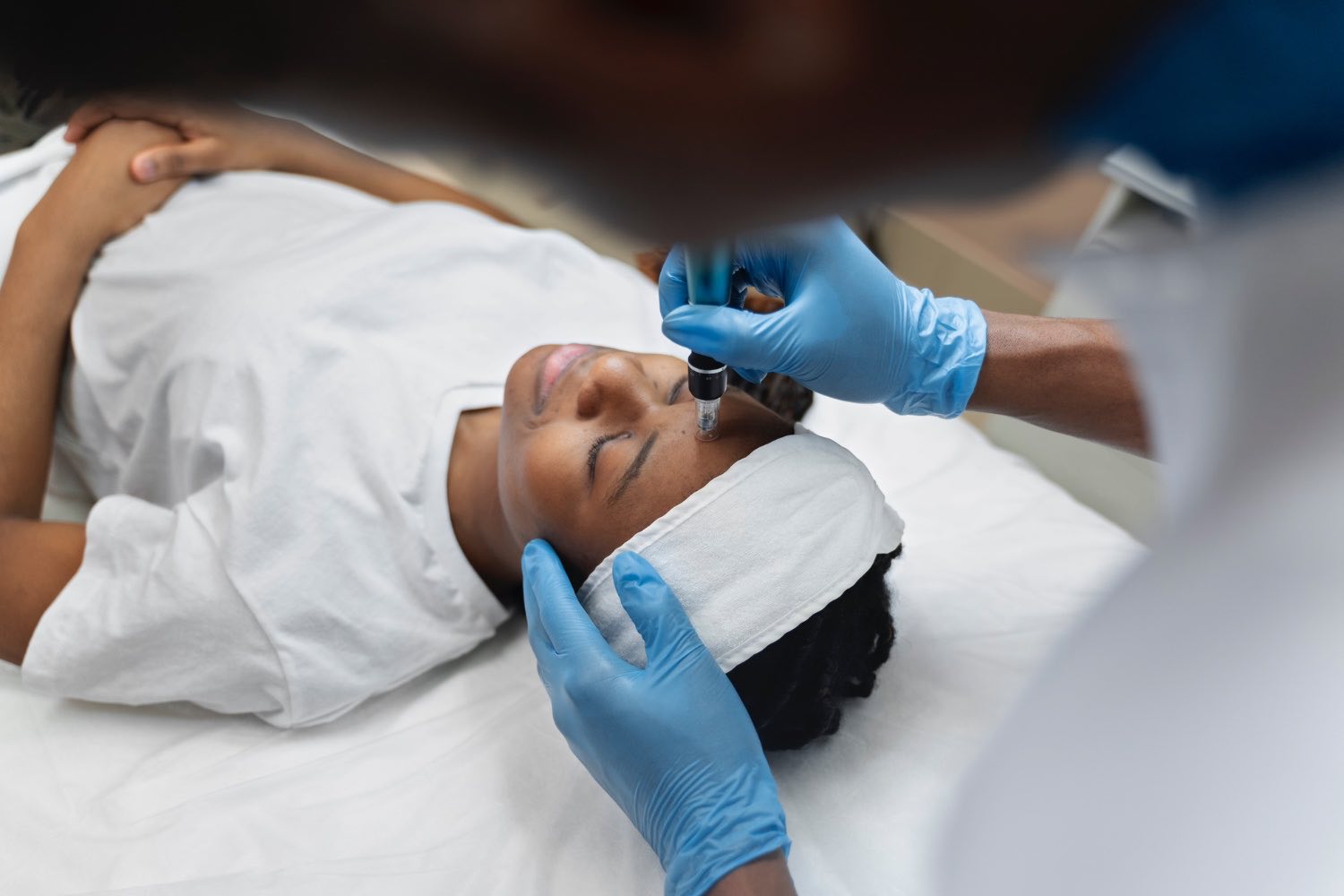
QUICK ANSWER Botox is a brand of botulinum toxin type A, a prescription medicine that temporarily reduces the activity of selected...

5 Early Signs of Glaucoma and When to See an Eye Doctor
World Glaucoma Week is a global initiative to raise awareness about a group of eye diseases that can lead to irreversible blindness. This year, St. Thomas Eye Hospital is joining the effort to educate the public about the early signs of glaucoma and when to see an eye doctor.
Glaucoma is often called the “silent thief of sight” because it can progress without noticeable symptoms in its early stages.
Understanding the risks and recognizing the subtle signs are crucial for early detection and treatment, which can help protect your vision.
What Is Glaucoma?
Glaucoma is a group of eye conditions that damage the optic nerve, the vital link between your eye and your brain. This damage is often caused by abnormally high pressure in your eye, known as intraocular pressure (IOP).
When the fluid in your eye, called aqueous humor, does not drain properly, it can build up and increase pressure, which then damages the delicate fibers of the optic nerve.
Because this process is often gradual and painless, many people do not realize they have glaucoma until they have already experienced significant vision loss. This is why it is so critical to have regular eye exams, especially if you are at higher risk.

Early Signs of Glaucoma and When to See an Eye Doctor
While glaucoma is often asymptomatic in its early stages, some subtle signs may indicate a problem. If you experience any of the following, it is important to see an eye doctor right away:
- Gradual loss of peripheral vision: This is often the first sign of glaucoma, but it can be difficult to notice because your central vision remains clear. You might find yourself bumping into objects or not noticing items to the side of your field of vision.
- Tunnel vision: In the more advanced stages of glaucoma, your peripheral vision loss may become so severe that you feel like you are looking through a tunnel.
- Eye pain or headaches: Sudden, severe eye pain, often accompanied by a headache, nausea, and blurred vision, can be a sign of a less common but more urgent form of glaucoma called acute angle-closure glaucoma. This is a medical emergency that requires immediate attention.
- Blurred vision: While blurred vision can be a symptom of many eye conditions, it can also be a sign of glaucoma.
- Halos around lights: Seeing rainbow-colored rings or halos around lights can be another symptom of high intraocular pressure.
It is important to remember that many people with glaucoma experience no early symptoms at all. This is why regular glaucoma screening is so important, especially for those with risk factors.
Why Glaucoma Is a Major Concern in Africa
Glaucoma is a leading cause of irreversible blindness worldwide, but it has a disproportionately high prevalence among people of African descent.
Studies have shown that individuals with African ancestry are up to five times more likely to develop glaucoma and are more likely to experience vision loss at a younger age. The reasons for this are not fully understood, but genetics are believed to play a significant role.
This makes early screening and diagnosis even more critical for the African population. At St. Thomas Eye Hospital, we are committed to providing accessible glaucoma treatment services to all members of our community.

Who Is Most at Risk?
Anyone can develop glaucoma, but some people are at a higher risk than others. The most significant risk factors include:
- Age over 40: The risk of glaucoma increases as you get older.
- Family history: If you have a close relative with glaucoma, you are at a much higher risk of developing the disease.
- Diabetes: People with diabetes are twice as likely to develop glaucoma.
- High eye pressure: While not everyone with high eye pressure will develop glaucoma, it is a major risk factor.
- Long-term steroid use: The use of corticosteroids, whether in eye drops, pills, or inhalers, can increase your risk of glaucoma.
If you fall into any of these risk categories, it is especially important to have regular eye exams with an eye care specialist.

How Glaucoma Is Diagnosed
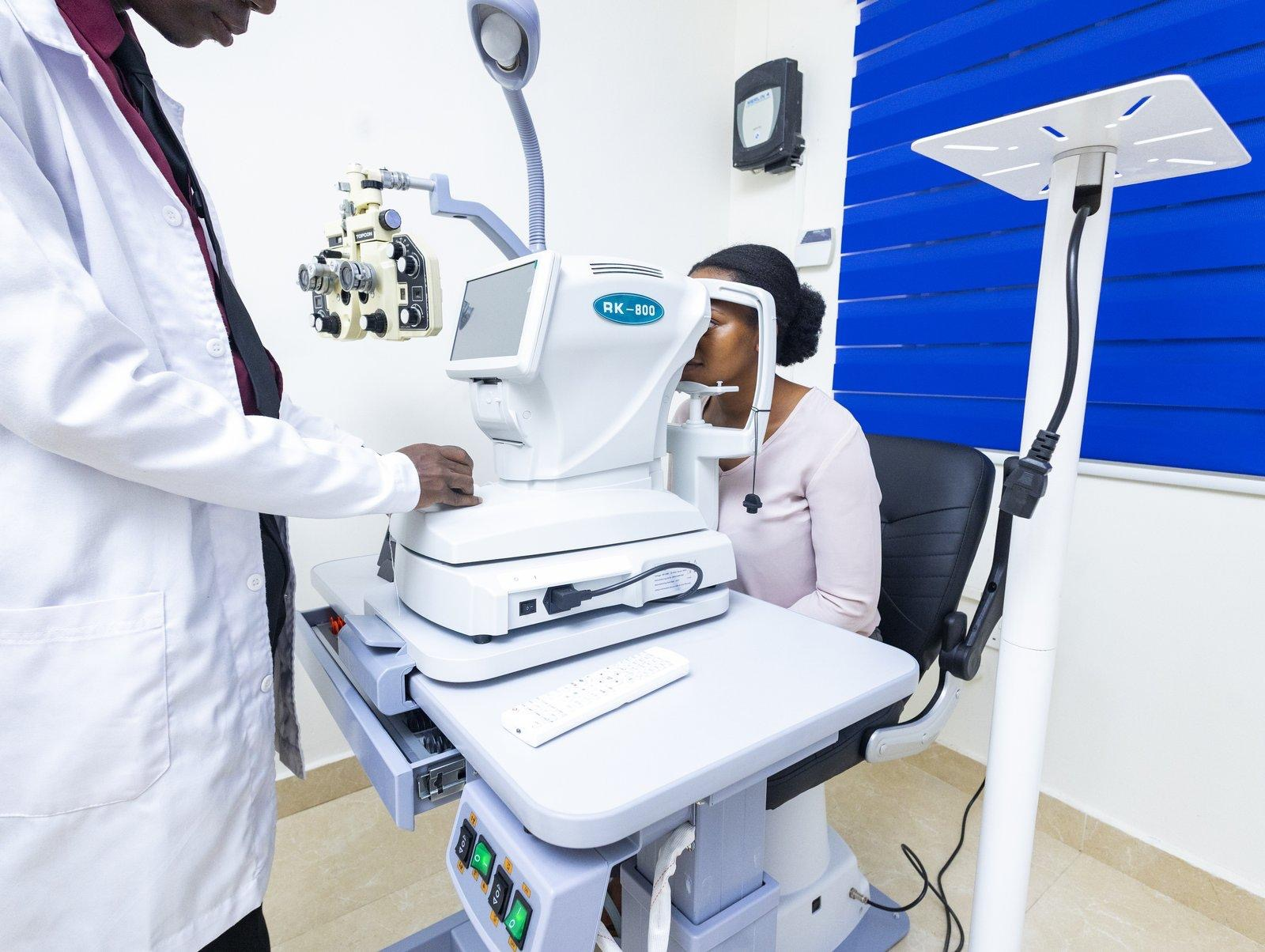
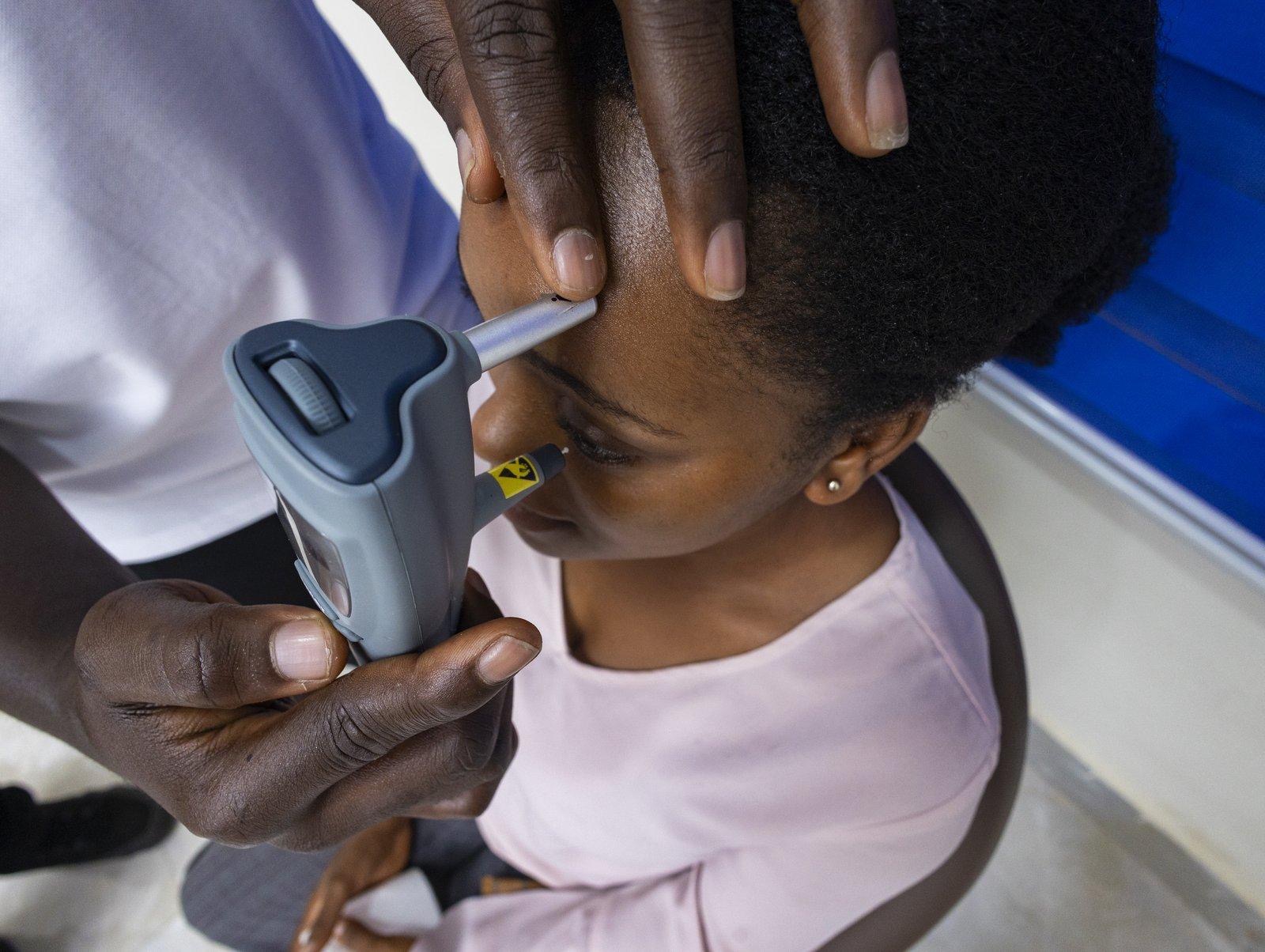
Glaucoma is diagnosed through a comprehensive eye exam that includes several painless tests:
- Tonometry: This test measures the pressure inside your eye.
- Visual field testing: This test, also known as perimetry, checks for any blind spots in your vision, particularly in your peripheral vision.
- Optic nerve exam: Your eye doctor will use a special magnifying lens to examine your optic nerve for any signs of damage.
- OCT imaging: Optical coherence tomography (OCT) is a non-invasive imaging test that creates detailed pictures of your optic nerve and retina, allowing your doctor to detect even the slightest changes.
Glaucoma Treatment Options
While vision loss from glaucoma cannot be reversed, early detection and treatment can slow disease progression and prevent further vision loss. Treatment options include:
- Eye drops: This is the most common treatment for glaucoma. They work by either reducing the amount of fluid your eye produces or by helping the fluid drain more effectively.
- Laser treatment: Laser therapy can be used to help the fluid drain from your eye, which can lower your eye pressure.
- Surgery: If eye drops and laser therapy are not effective, your doctor may recommend surgery to create a new drainage channel for the fluid in your eye.
- Lifelong monitoring: Glaucoma is a chronic condition that requires lifelong monitoring. You will need to have regular follow-up appointments with your eye doctor to ensure that your treatment is working and to make any necessary adjustments.
How to Protect Your Vision During World Glaucoma Week and Beyond
World Glaucoma Week is the perfect time to take proactive steps to protect your vision. Here are some practical tips for this week and beyond:
- Schedule a comprehensive eye exam: This is the most important step you can take to protect your vision. If you are over 40 or have any risk factors for glaucoma, you should have an eye exam every one to two years.
- Know your family history: If you have a close relative with glaucoma, make sure to tell your eye doctor.
- Maintain a healthy lifestyle: Eating a healthy diet, exercising regularly, and not smoking can all help to protect your overall health, including your eye health.
Conclusion
Don’t let the “silent thief of sight” steal your vision. This World Glaucoma Week, take the first step towards protecting your eye health by learning about the early signs of glaucoma and when to see an eye doctor.
If you are concerned about your risk for glaucoma or are experiencing any of the symptoms mentioned in this article, we encourage you to book an eye exam at St. Thomas Eye Hospital today.
Our team of experienced eye care specialists is here to provide you with the highest quality of care and to help you protect your precious gift of sight.
FAQs:
- What are the very first signs of glaucoma? The very first sign of glaucoma is often a gradual loss of peripheral (side) vision. However, this is usually subtle and may not be noticeable until the disease has progressed. Many people have no symptoms in the early stages, which is why regular eye exams are crucial.
- When should I see a doctor for glaucoma? You should see a doctor for glaucoma if you experience any symptoms such as eye pain, headaches, blurred vision, or halos around lights. It is also important to have regular eye exams if you are over 40, have a family history of glaucoma, or have other risk factors like diabetes.
- Can glaucoma be cured? There is no cure for glaucoma, and vision loss from the disease cannot be reversed. However, with early detection and treatment, the progression of the disease can be slowed or stopped, preventing further vision loss.
- What is the most common treatment for glaucoma? The most common treatment for glaucoma is medicated eye drops. These eye drops work by lowering the pressure in your eye. Other treatments include laser therapy and surgery.
- Why is glaucoma more common in people of African descent? The exact reasons are not fully understood, but genetics are believed to play a significant role. People of African descent are at a higher risk of developing glaucoma and may experience more aggressive forms of the disease.

Dr. Michael E. Gyasi is the Medical Director and founder of St. Thomas Eye Hospital — a multi-branch specialist facility that introduced phacoemulsification cataract surgery and micro-incisional vitrectomy surgery to Ghana. Under his leadership, the hospital has delivered over 10,000 free sight restoration surgeries and screened more than 200,000 people for eye disease across the country.