QUICK ANSWER Botox is a brand of botulinum toxin type A, a prescription medicine that temporarily reduces the activity of selected...
Eye Bags and Puffy Eyes: What Causes Them and When to Worry
QUICK ANSWER
Eye bags are the mild puffiness or swelling that appears under the eyes. They are usually harmless and cosmetic, most often caused by natural ageing, fluid retention, poor sleep, allergies, or heredity. Many cases ease with simple home care. See a specialist if the swelling is sudden, painful, red, or does not settle, as this can point to another cause that needs treatment.
Key takeaways
- Eye bags are mild under-eye puffiness, usually a cosmetic concern rather than a medical one.
- Eye bags (puffiness) and dark circles (discolouration) are different things with different fixes.
- Temporary, fluid-related puffiness often responds to home care; ageing or genetic bags tend to be more lasting.
- Sudden, painful, or persistent swelling is worth having checked by an eye specialist.

An eye assessment at St. Thomas Eye Hospital. If puffy eyes are bothering you, a professional check can rule out any underlying cause.
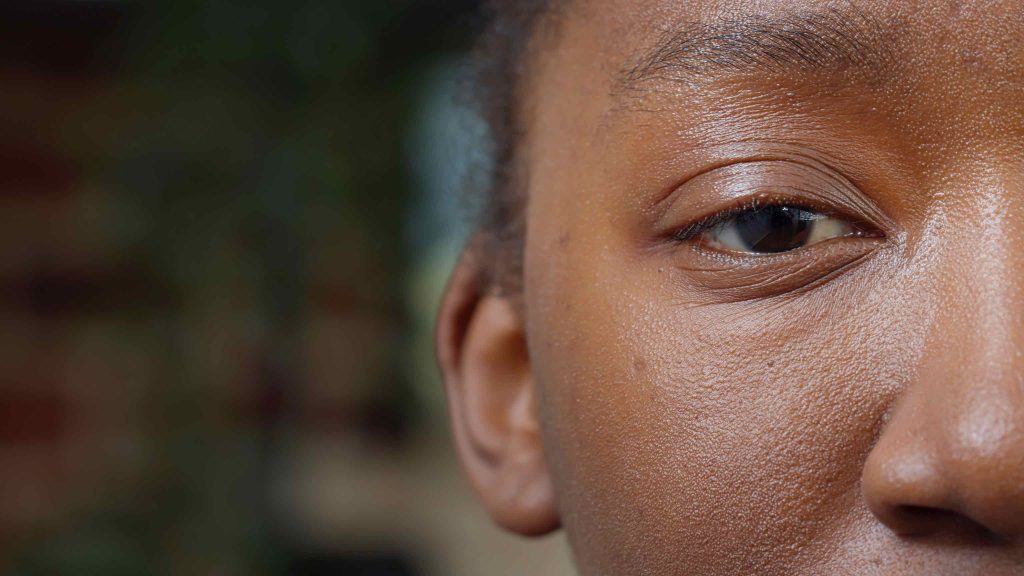
Most of us have looked in the mirror on a rough morning and noticed it: a little puffiness under the eyes that was not there the day before. Eye bags are one of the most common cosmetic complaints there is, and the good news is that in the vast majority of cases, they are completely harmless.
Still, they can affect how tired or older we look and feel, and once in a while they signal something worth checking.
In this guide we explain what eye bags actually are, how they differ from dark circles, what causes them, whether they are permanent, and how to tell everyday puffiness apart from swelling that needs a specialist.
What Are Eye Bags?
Eye bags are the mild swelling or puffiness that forms under the lower eyelids. They happen when the tissues and muscles that support your eyelids weaken, which is a normal part of ageing. As they weaken, the skin can start to sag, the fat that usually cushions the eye can shift forward into the lower lids, and fluid can gather in the area.
The American Academy of Ophthalmology notes this is why the under-eye area can look puffy or swollen, especially first thing in the morning.
For most people, eye bags are a purely cosmetic issue. They are rarely a sign of a serious medical problem. That does not make them any less frustrating to look at, but it is reassuring to know that puffiness on its own is usually nothing to worry about.
Eye Bags vs Dark Circles
People often lump these two together, but they are different, and telling them apart matters because they respond to different treatments.
Eye bags are about shape. They are the puffiness and mild swelling that make the under-eye area look raised or baggy.
Dark circles are about colour. They are the darker discolouration or shadowing under the eyes, which can come from pigmentation, thin skin showing the blood vessels beneath, or the shadow cast by eye bags themselves.
You can have one, the other, or both at once. Because eye bags are structural and dark circles are largely about pigment and shadow, a treatment that helps one may do little for the other, which is exactly why a proper assessment is useful before spending money on creams or procedures.
Common Causes of Puffy Eyes
Eye bags and puffy eyes rarely have a single cause. Usually it is a mix of the factors below:
- Ageing. The most common cause. Over time the muscles and tissues around the eyes weaken and the skin loses firmness, allowing fat to bulge forward.
- Fluid retention. Fluid can pool under the eyes overnight, or after a salty meal. This is why puffiness is often worst in the morning and eases as the day goes on.
- Poor sleep. Too little sleep, or broken sleep, makes puffiness more likely and more noticeable.
- Allergies. Allergic reactions cause inflammation and fluid build-up, and the rubbing that comes with itchy eyes makes it worse.
- Heredity. If under-eye bags run in your family, you are more likely to develop them, sometimes from a young age.
- Smoking. Smoking breaks down the skin’s collagen and elastin, which speeds up sagging around the eyes.
In Ghana’s climate, seasonal allergies and dust, particularly during the Harmattan, can leave the eyes irritated and puffy, so it is worth thinking about what else changes when your eye bags flare up.
Are Eye Bags Permanent?
It depends on what is causing them. This is the key distinction:
- Temporary puffiness from fluid, salt, a poor night’s sleep, or allergies usually comes and goes, and often improves with simple home care.
- Structural bags from ageing or heredity, where fat has shifted forward and skin has loosened, tend to be more lasting. Home remedies can soften their appearance but may not remove them entirely.
So if your eye bags disappear by lunchtime, they are almost certainly the temporary kind. If they are there all day, every day, and have slowly become more prominent over the years, they are more likely structural, and that is the type where a medical treatment can make a bigger difference.

A consulting room at St. Thomas Eye Hospital. When home care is not enough, a specialist can talk you through the medical options.
Home Remedies vs Medical Treatment
What you can try at home
For everyday, temporary puffiness, simple habits go a long way:
- Apply a cool compress or a chilled, damp cloth to closed eyes for a few minutes.
- Get consistent, good-quality sleep (most adults need seven to nine hours).
- Sleep with your head slightly raised so fluid does not pool under the eyes.
- Cut back on salt and stay well hydrated through the day.
- Treat allergies, and try not to rub your eyes.
- Protect the delicate under-eye skin from the sun, and avoid smoking.
A quick word of caution: avoid unproven internet remedies applied near the eyes, as the skin there is thin and easily irritated. If in doubt, ask an eye care professional first.
When medical treatment helps
For lasting or bothersome bags, several medical options exist, and a specialist will match the right one to the cause. These range from non-surgical treatments such as dermal fillers, laser skin resurfacing, and chemical peels, through to lower eyelid surgery known as blepharoplasty, which removes or repositions the excess fat and skin.
We cover this in detail in our companion guide, How to Remove Eye Bags Permanently.
When to See a Specialist
Eye bags are usually harmless, but some under-eye swelling deserves a professional look. Book an appointment if you notice any of the following:
- Swelling that comes on suddenly, or that is severe.
- Pain, redness, itching, or any discharge around the eye.
- Puffiness that does not settle, or that keeps getting worse.
- Under-eye swelling alongside a skin rash, or affecting your vision.
These signs can point to an infection, an allergy, or occasionally a wider health issue, and an eye specialist can check for the underlying cause and recommend the right treatment. When the concern is purely cosmetic, that same assessment helps you choose a treatment that actually fits the cause rather than guessing.

A patient being assessed at St. Thomas Eye Hospital. A specialist can tell everyday puffiness apart from swelling that needs treatment.
Assess Your Eye Bags at St. Thomas Eye Hospital
If puffy eyes or under-eye bags are bothering you, the team at St. Thomas Eye Hospital can help. A consultation at any of our branches in Mataheko, Osu, Tema, and Kumasi will identify what is behind your eye bags, rule out any underlying cause, and set out a clear plan, whether that is simple lifestyle advice or a medical treatment.
Book an eye consultation at St. Thomas Eye Hospital →
Frequently Asked Questions
What are eye bags?
Eye bags are the mild puffiness or swelling under the lower eyelids. They form as the tissues and muscles supporting the eyelids weaken, allowing fat to shift forward and fluid to gather. They are usually a cosmetic concern rather than a medical one.
What is the difference between eye bags and dark circles?
Eye bags are about shape: the puffiness that makes the under-eye area look raised. Dark circles are about colour: the darker discolouration or shadowing under the eyes. You can have either or both, and they respond to different treatments.
What causes puffy eyes?
The most common causes are ageing, fluid retention (often after salty food or overnight), poor sleep, allergies, heredity, and smoking. Puffiness that is worst in the morning is usually fluid-related.
Are eye bags permanent?
Temporary puffiness from fluid, salt, or lack of sleep usually comes and goes and improves with home care. Bags caused by ageing or genetics tend to be more lasting and may need a medical treatment to fully correct.
How can I get rid of eye bags at home?
Try cool compresses, consistent sleep, sleeping with your head slightly raised, less salt, good hydration, and treating any allergies. Avoid unproven remedies near the eyes, as the skin there is easily irritated.
Can eye bags be removed permanently?
Often yes. Lasting bags can be improved or removed with treatments such as dermal fillers, laser resurfacing, or lower eyelid surgery (blepharoplasty). The right option depends on the cause, which is why an assessment matters.
When should I worry about under-eye swelling?
See a specialist if the swelling is sudden, severe, painful, red, itchy, comes with discharge or a rash, affects your vision, or simply will not settle. These can signal an infection, allergy, or other issue that needs treatment.

Dr. Michael E. Gyasi is the Medical Director and founder of St. Thomas Eye Hospital — a multi-branch specialist facility that introduced phacoemulsification cataract surgery and micro-incisional vitrectomy surgery to Ghana. Under his leadership, the hospital has delivered over 10,000 free sight restoration surgeries and screened more than 200,000 people for eye disease across the country.
Tags :